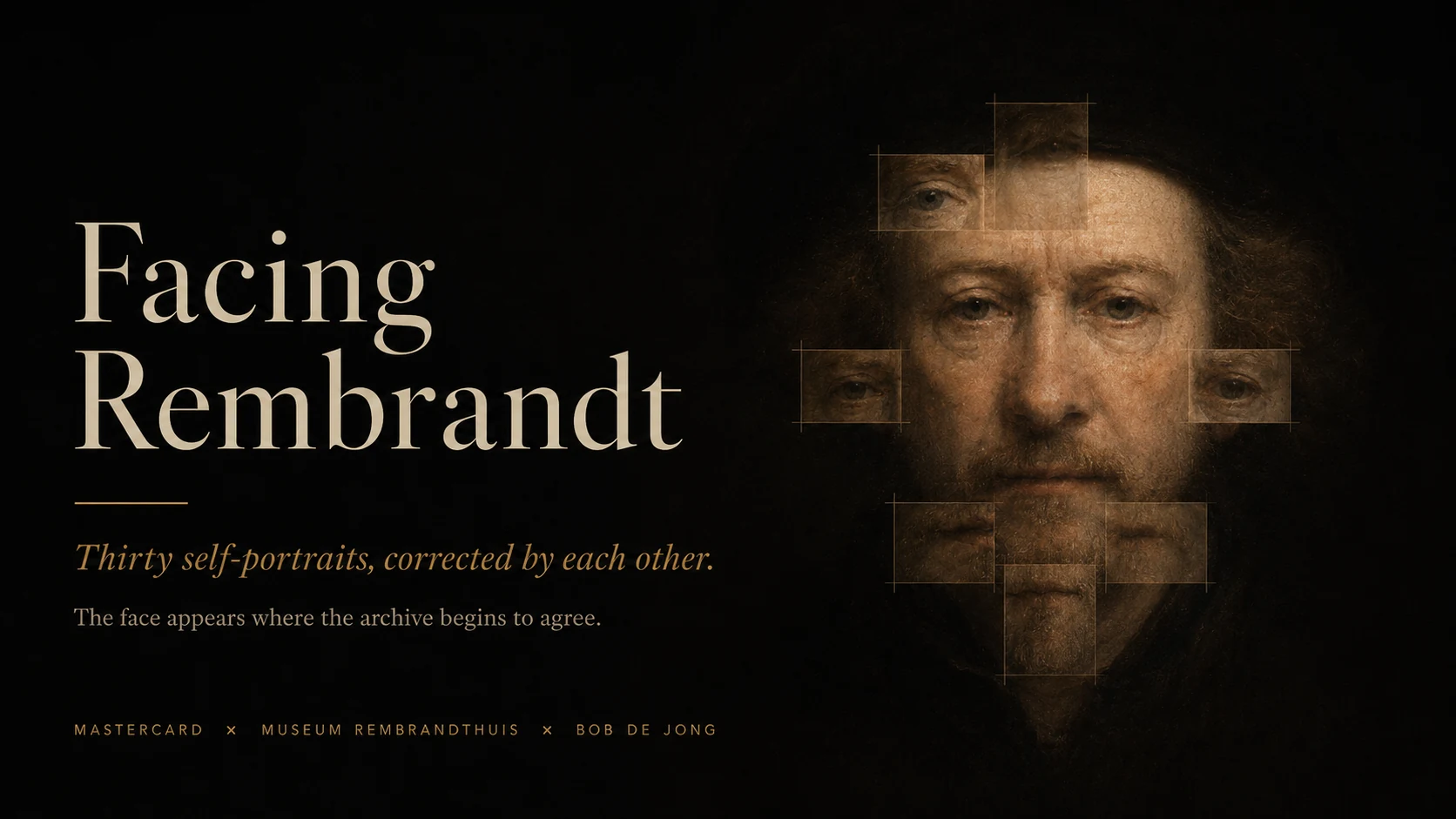
A Rembrandt-only correction protocol
Facing
Rembrandt
Thirty self-portraits, corrected by each other.
Each portrait is treated as a witness. The face appears where the archive begins to agree.
The witnesses come first.
Before any result appears, the paintings have to be seen as a group.
Thirty Rembrandt self-portraits form the visible corpus. Age, costume, damage, lighting and pose remain part of the record. The method begins by letting the archive show its differences.
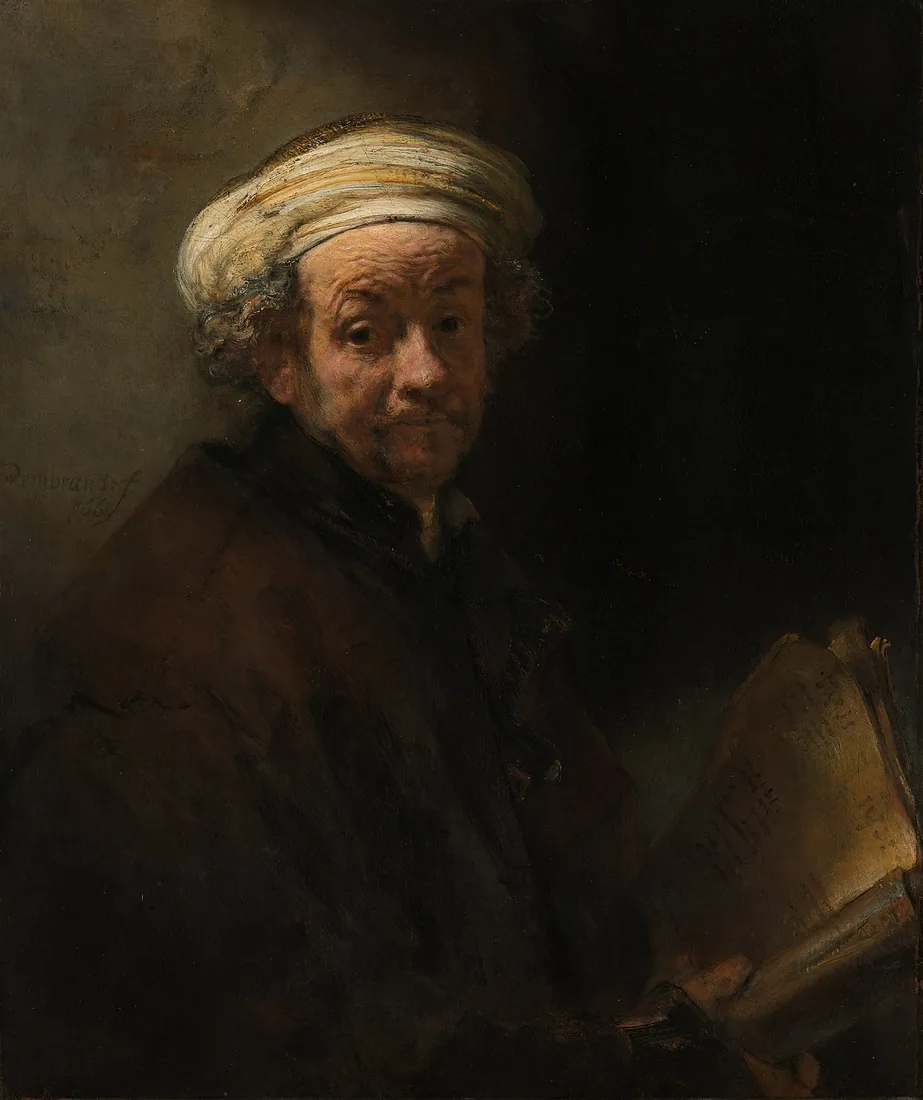
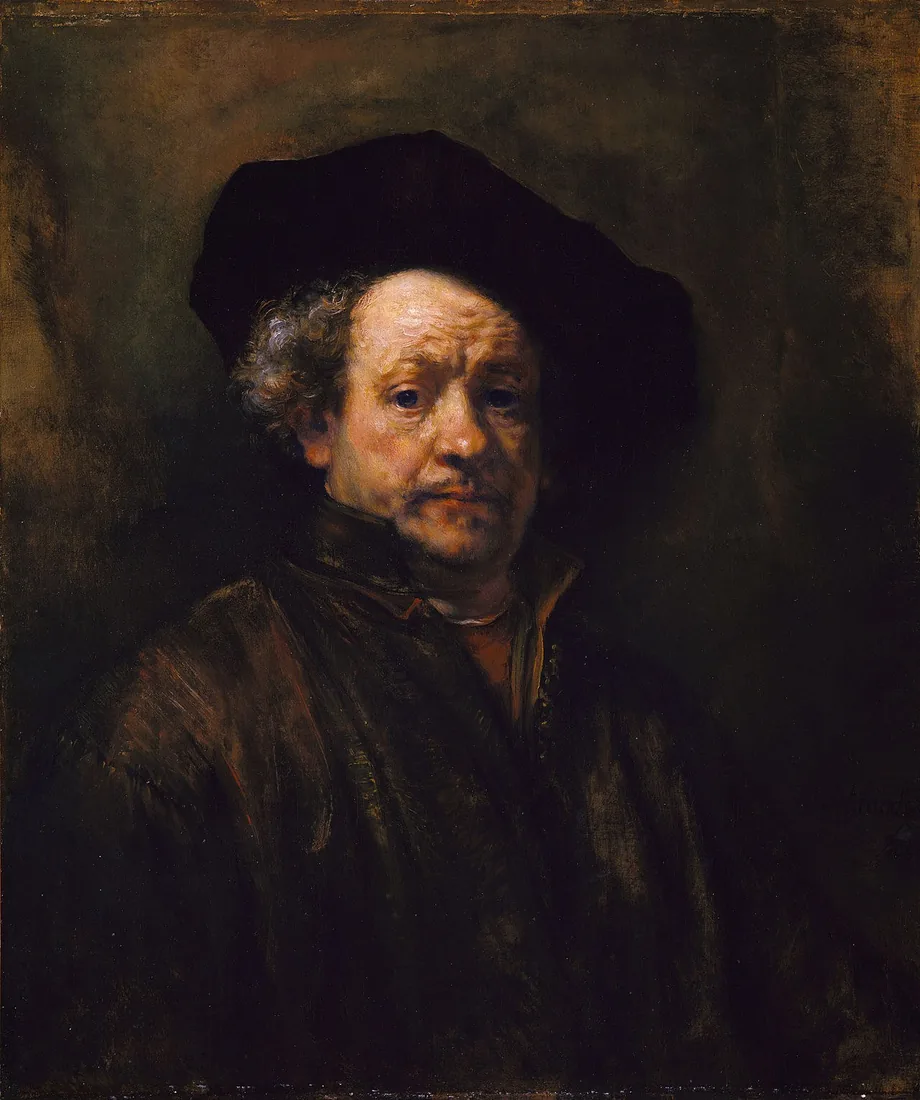
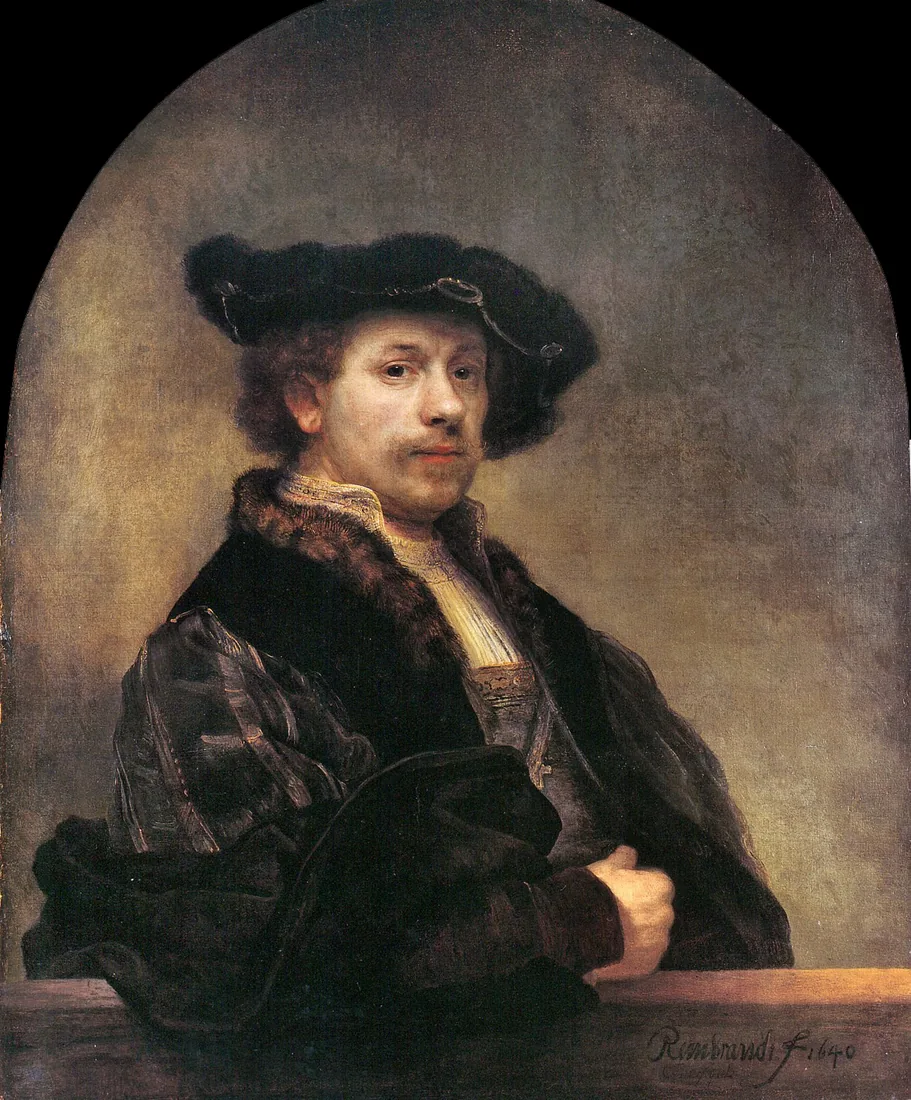
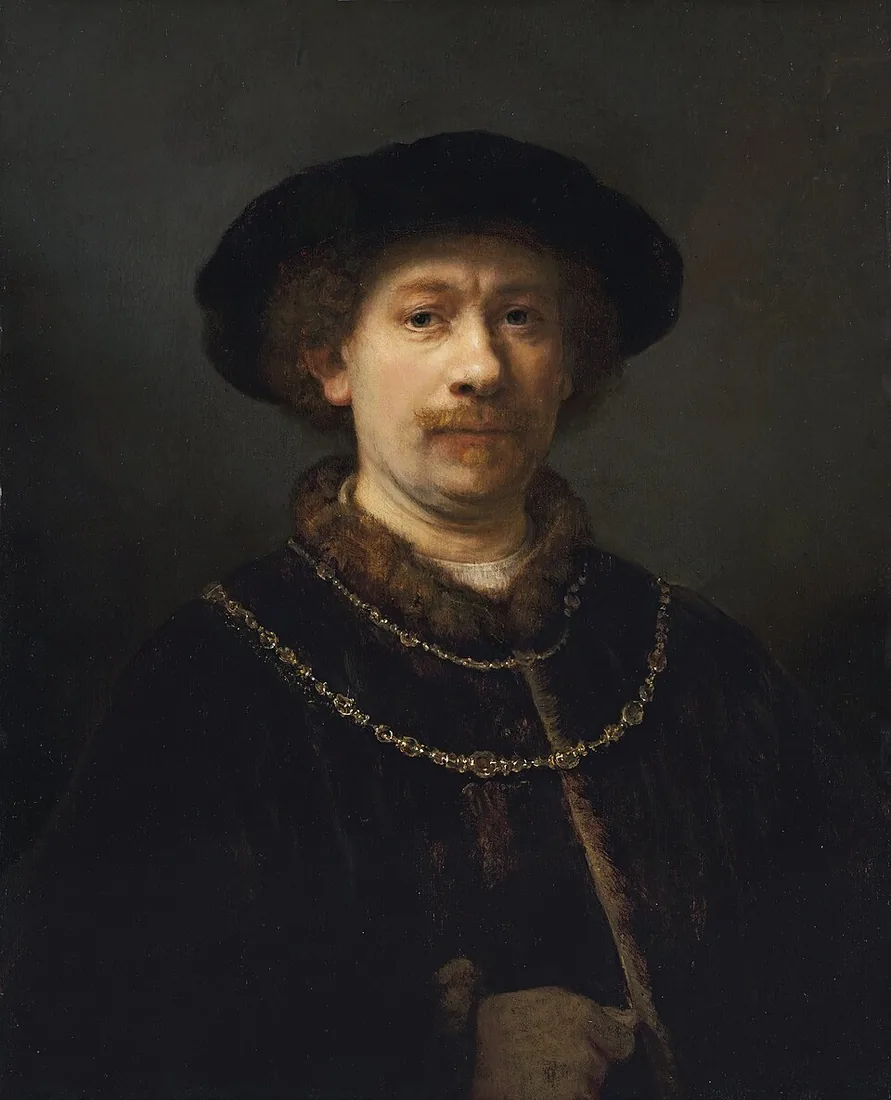
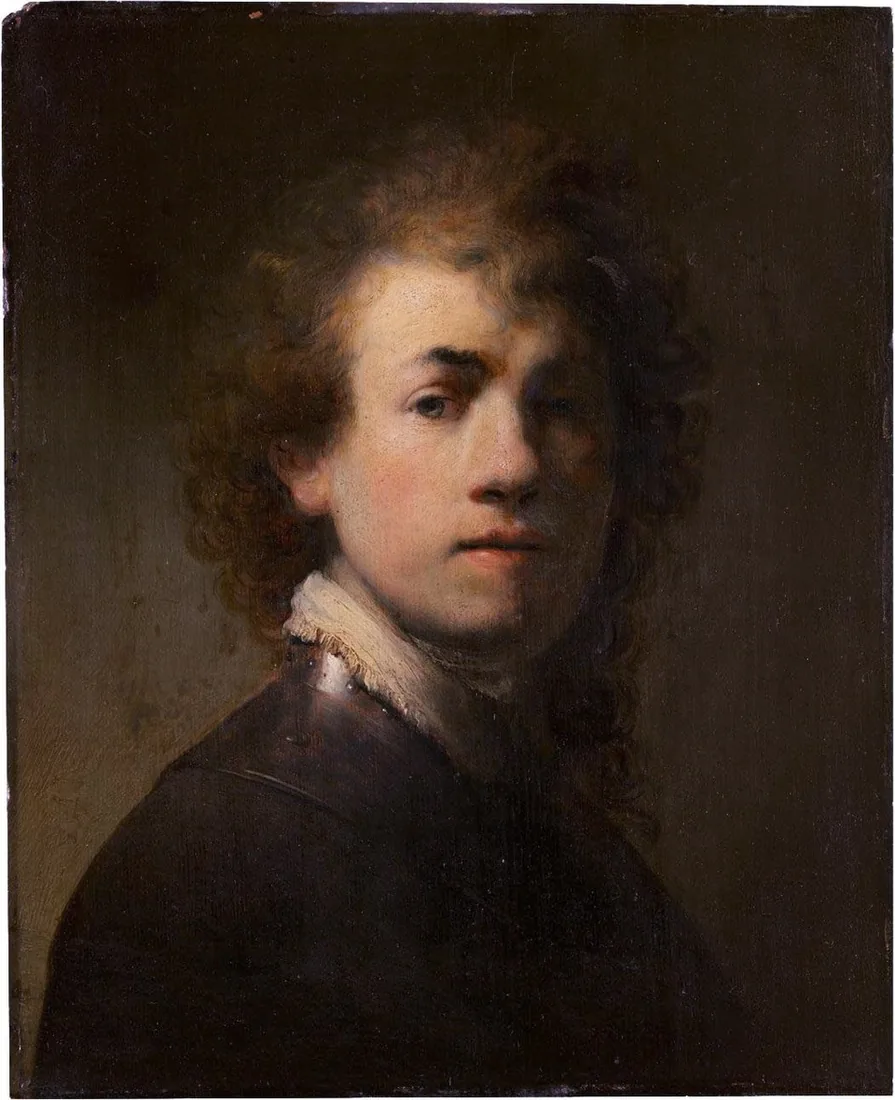
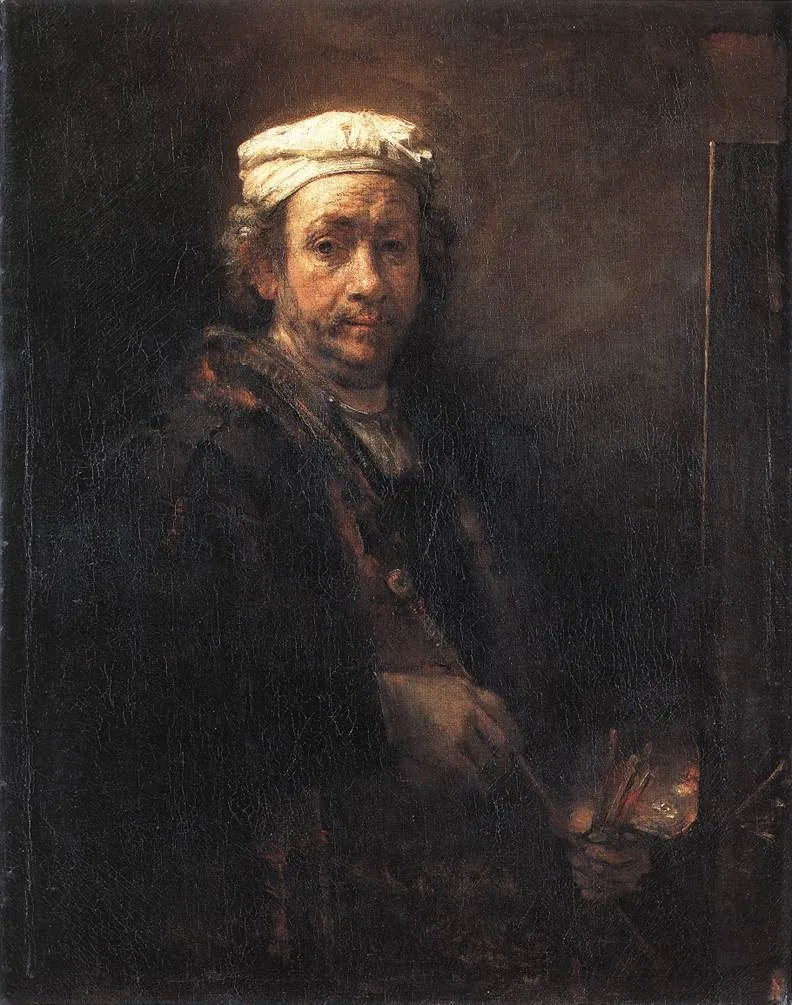
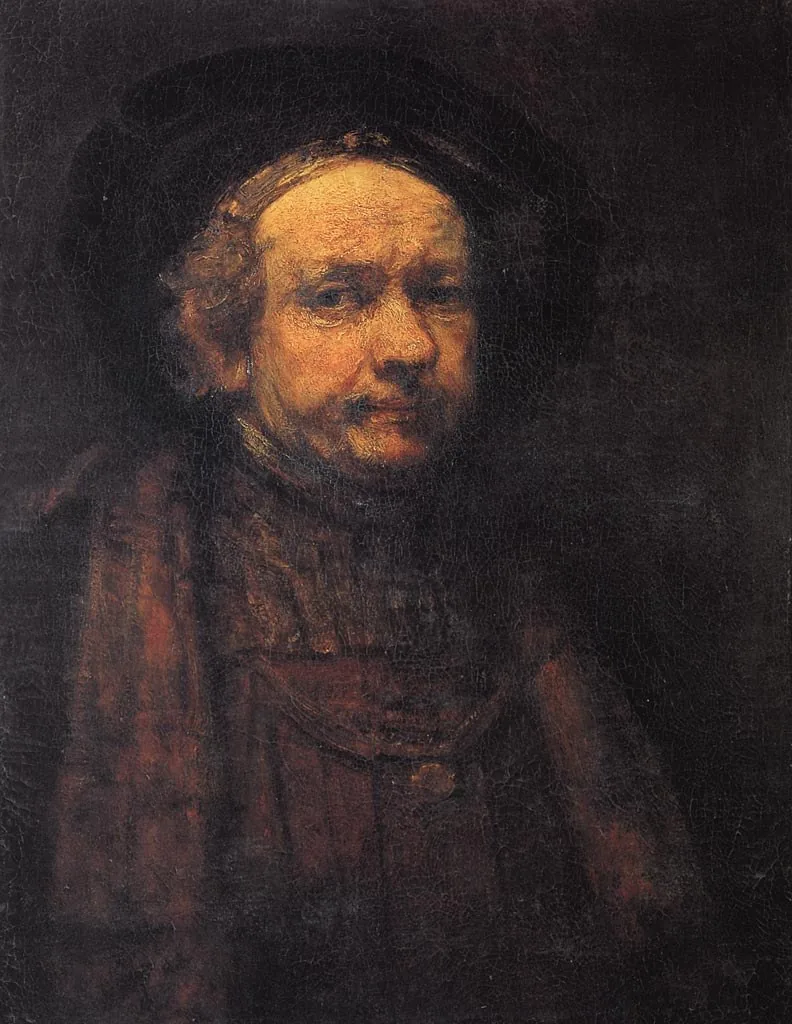
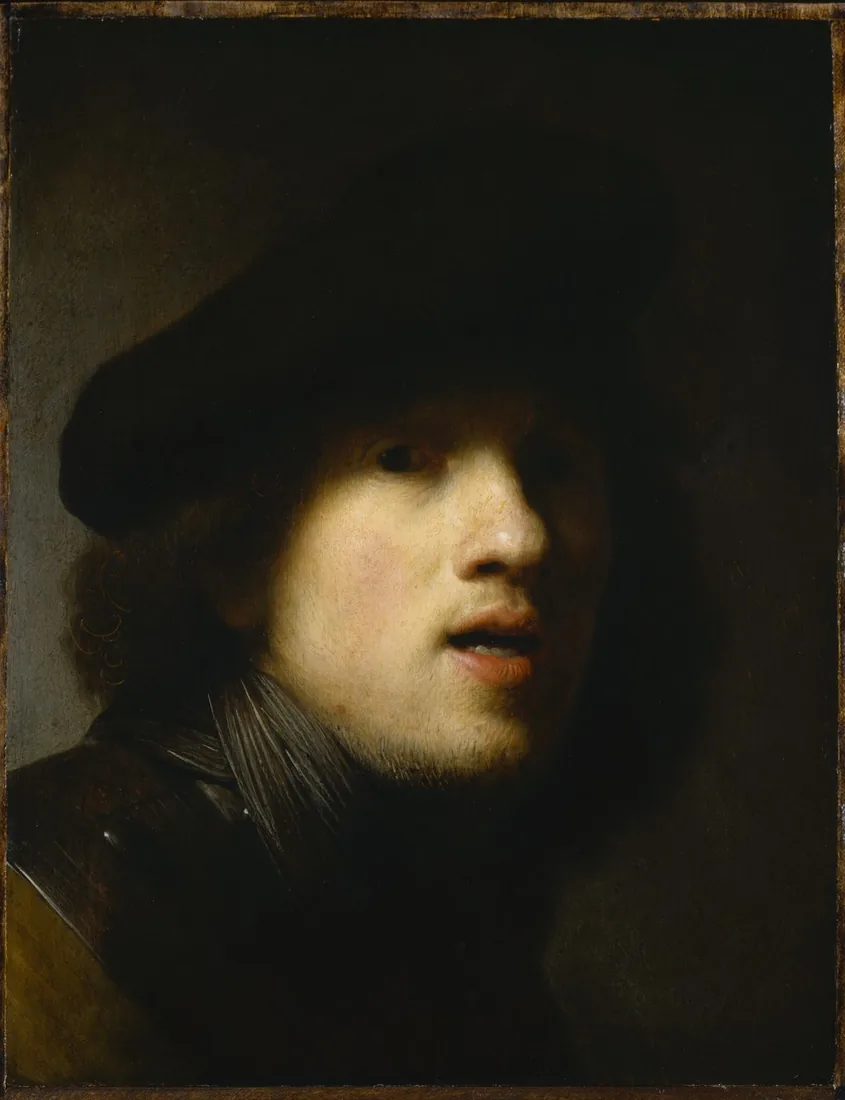
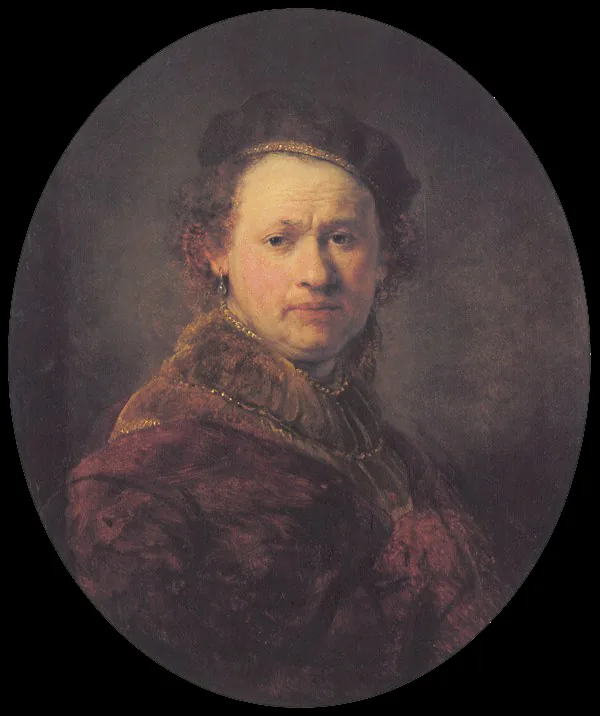
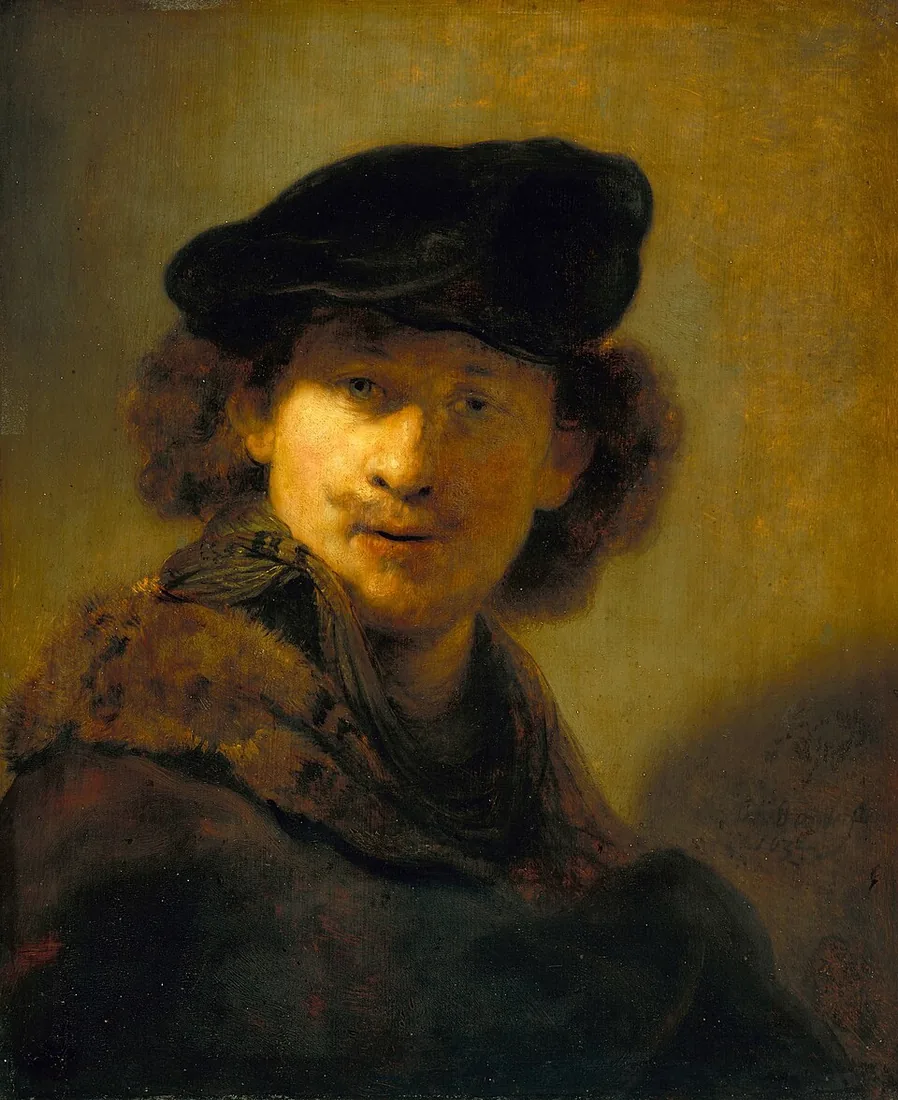
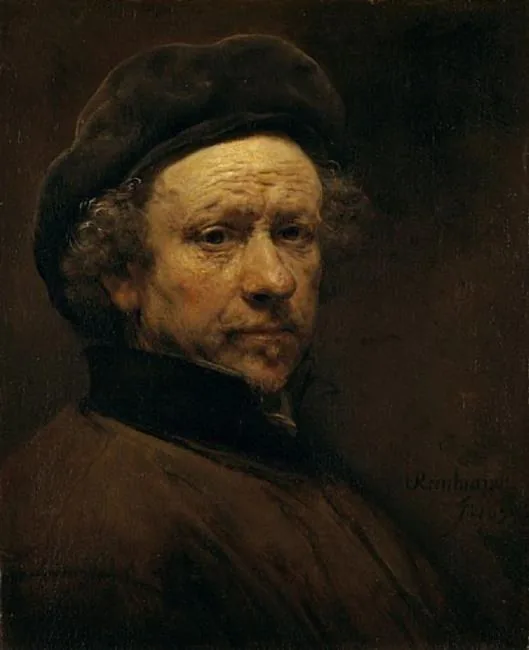
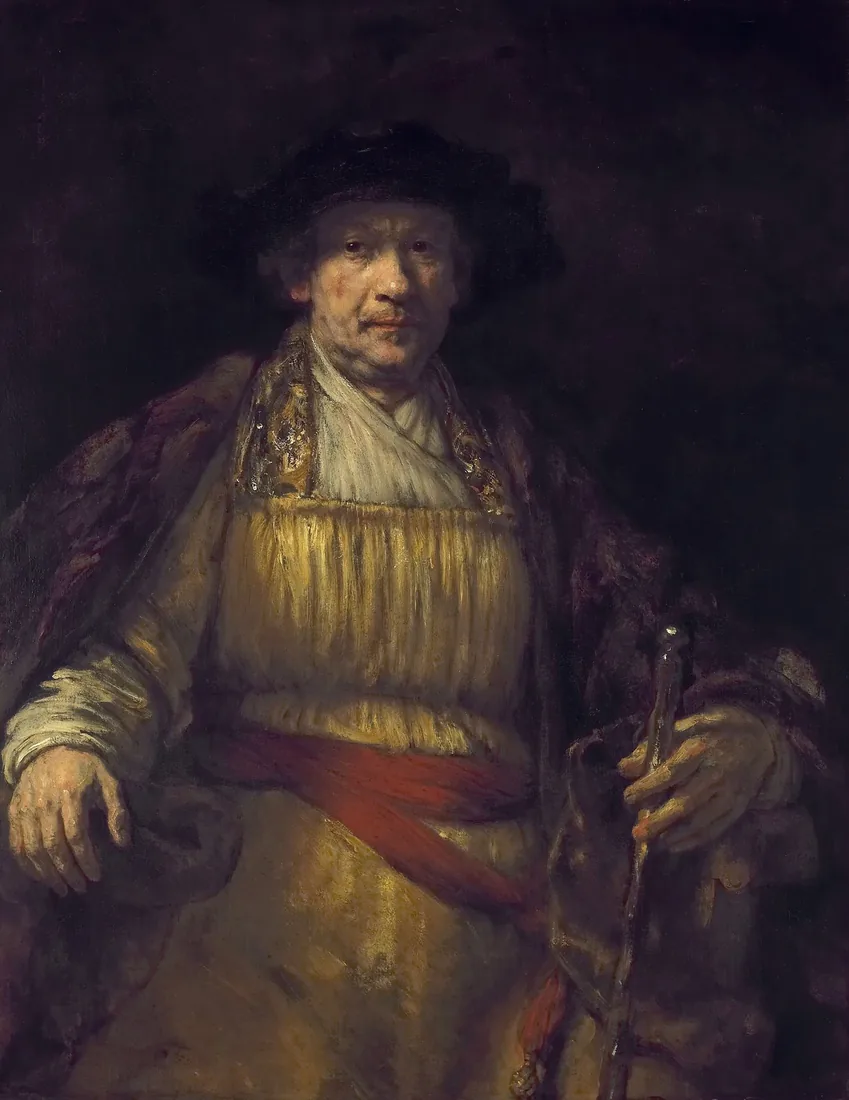
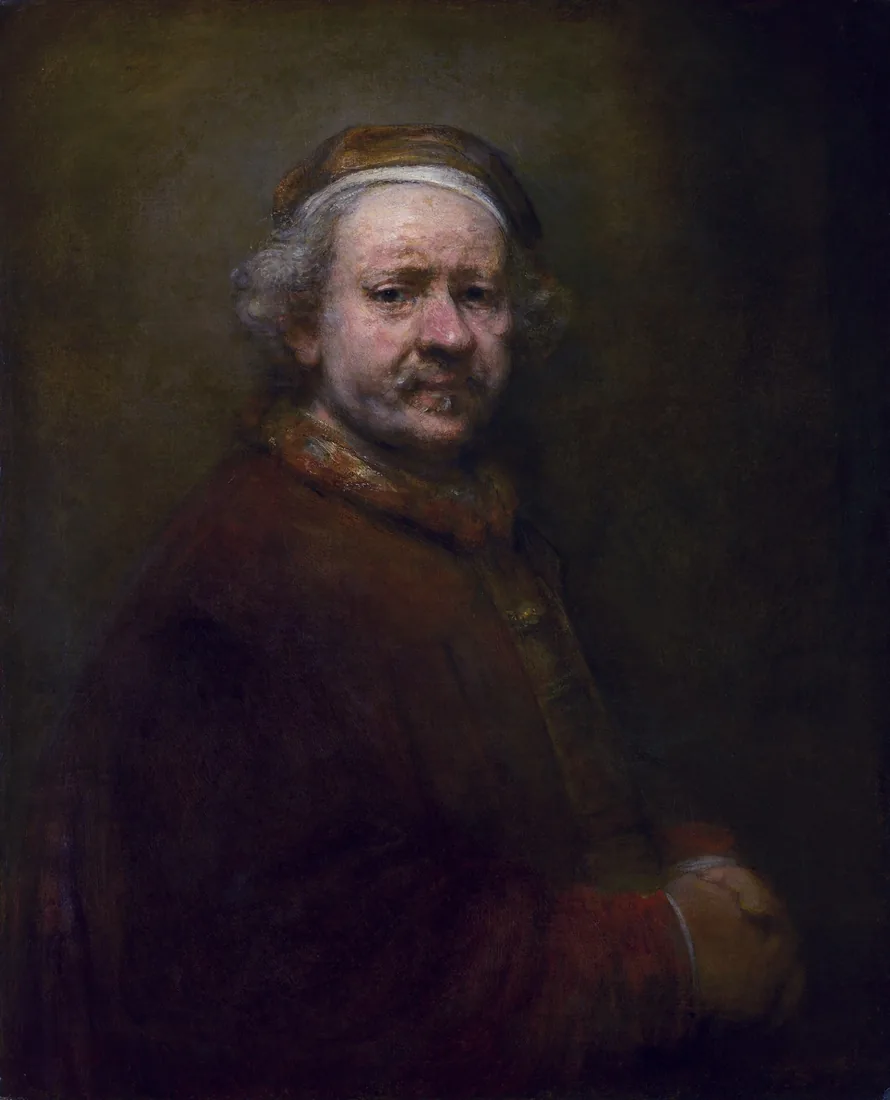
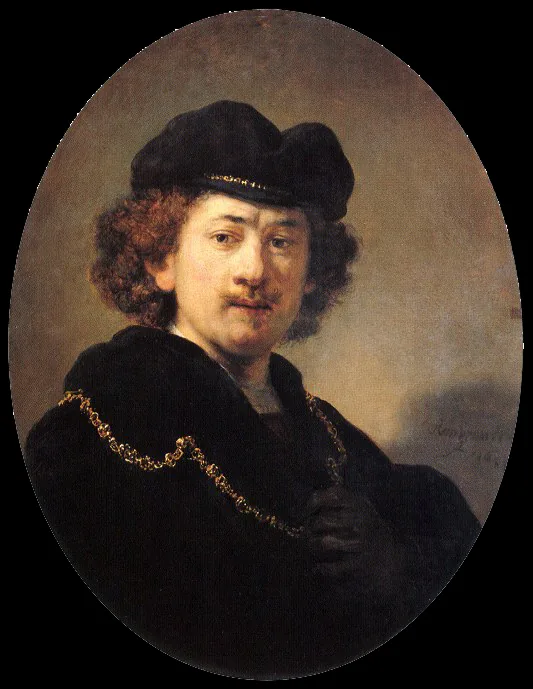
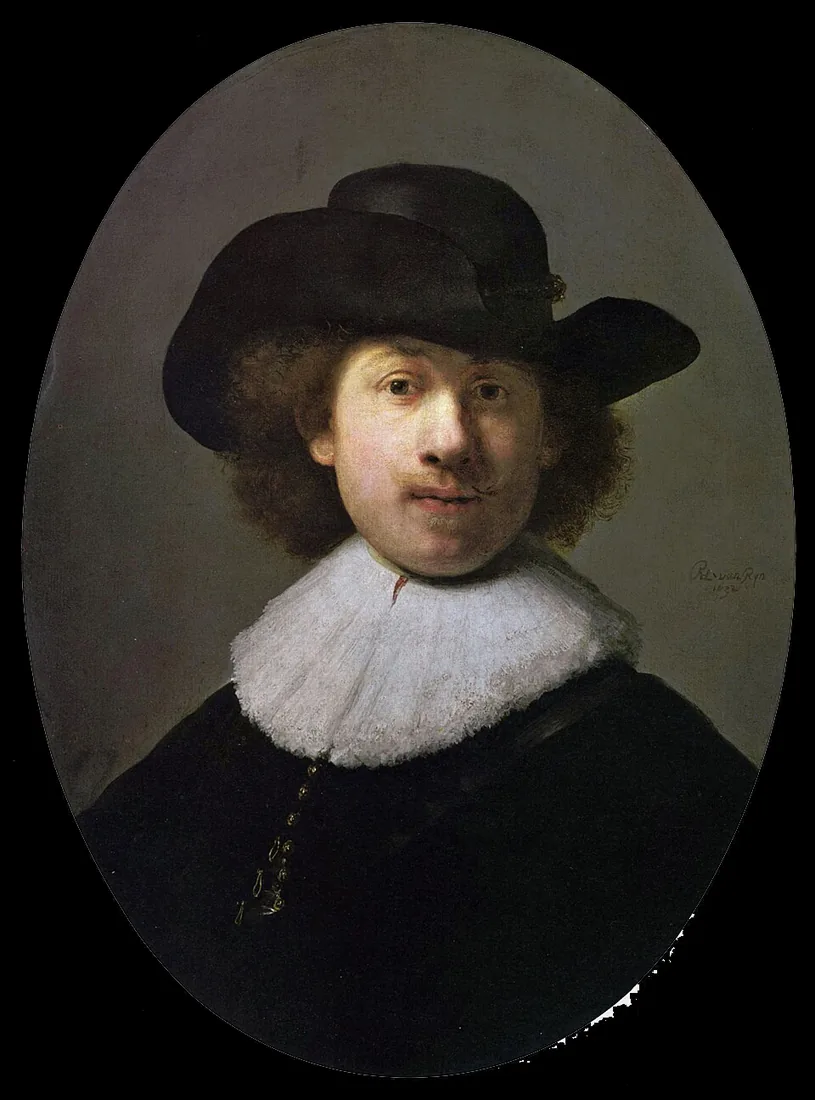
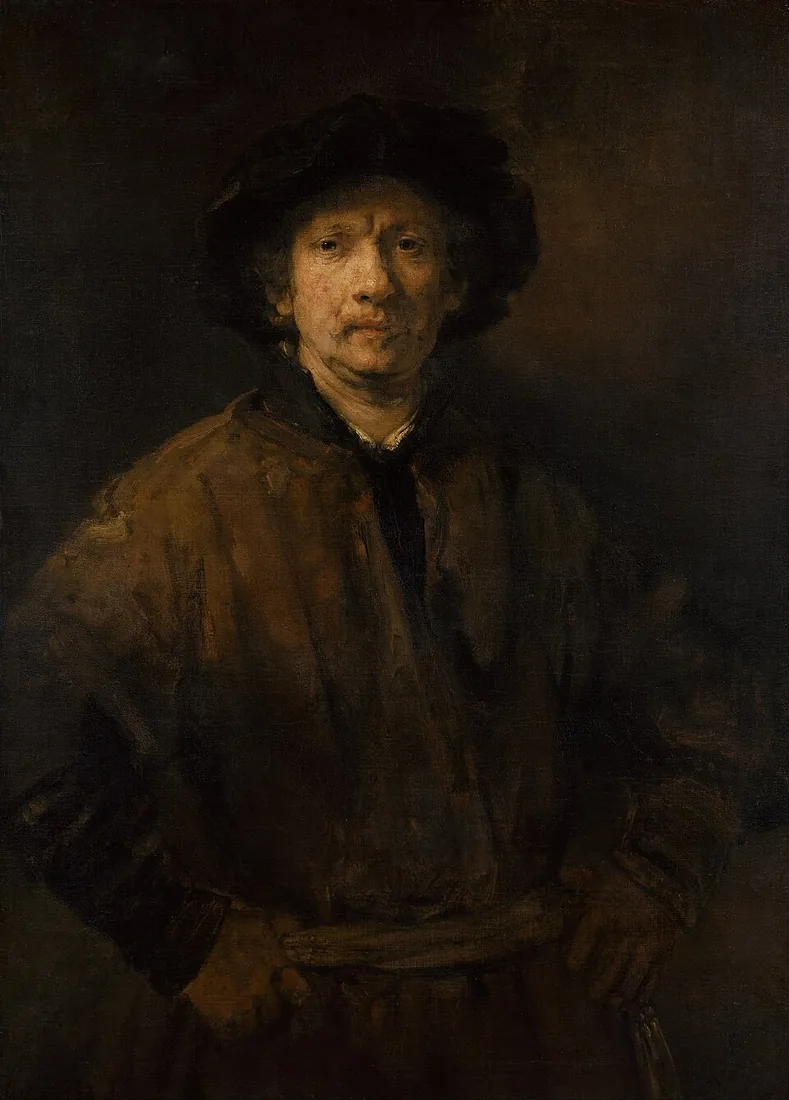
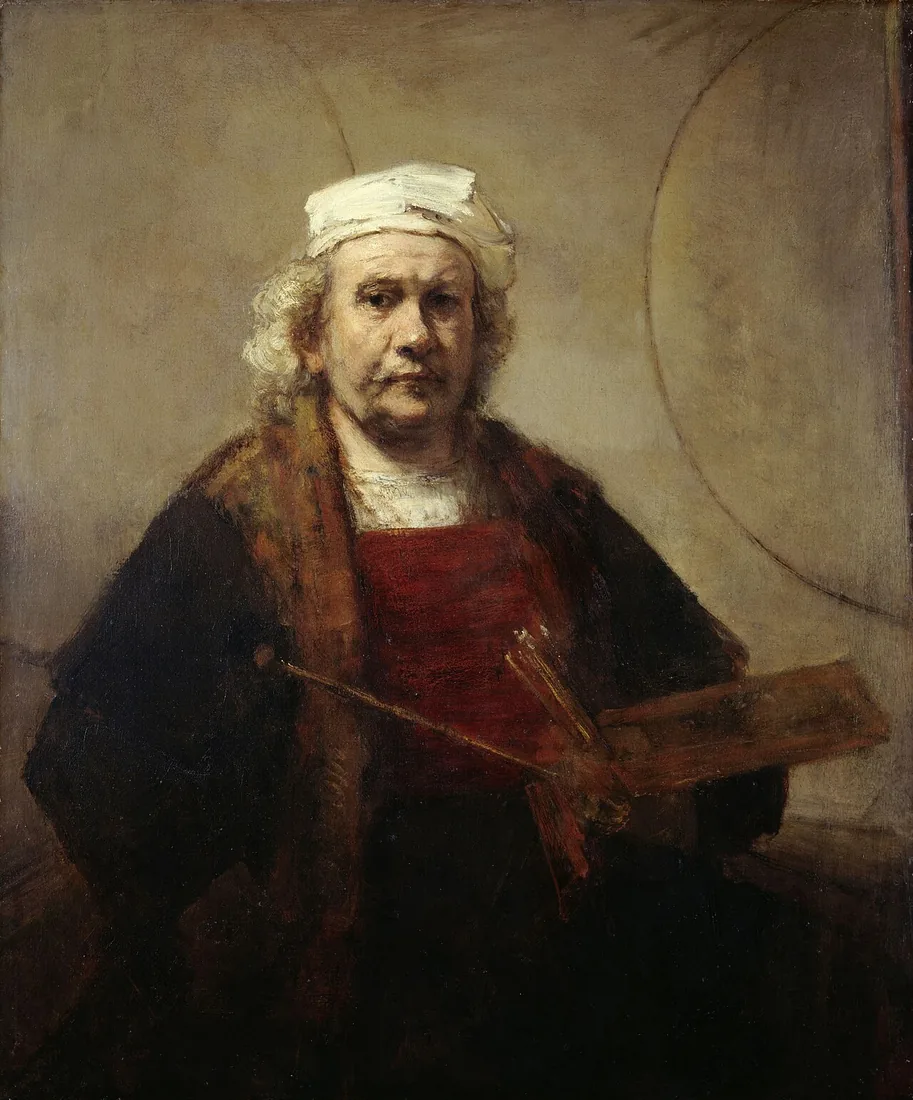
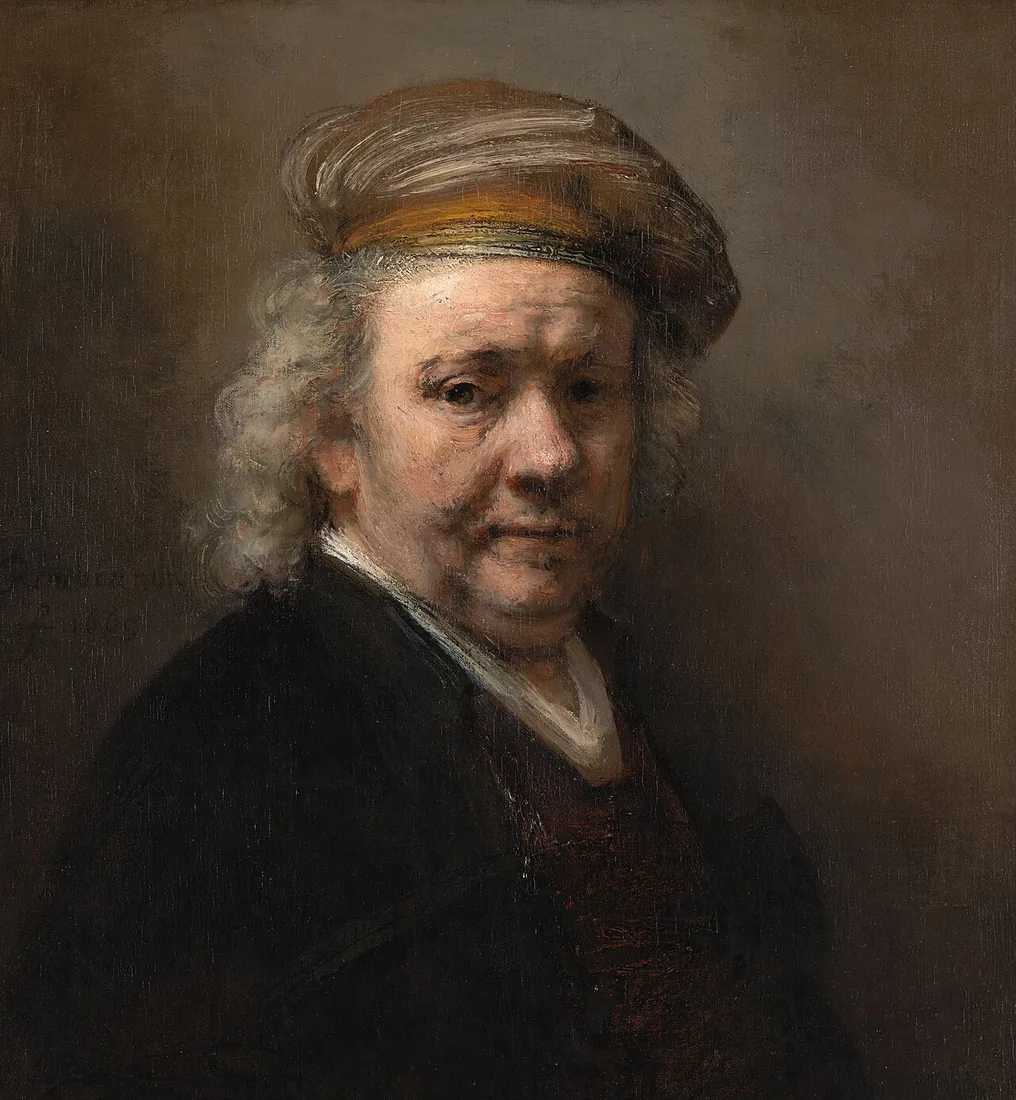
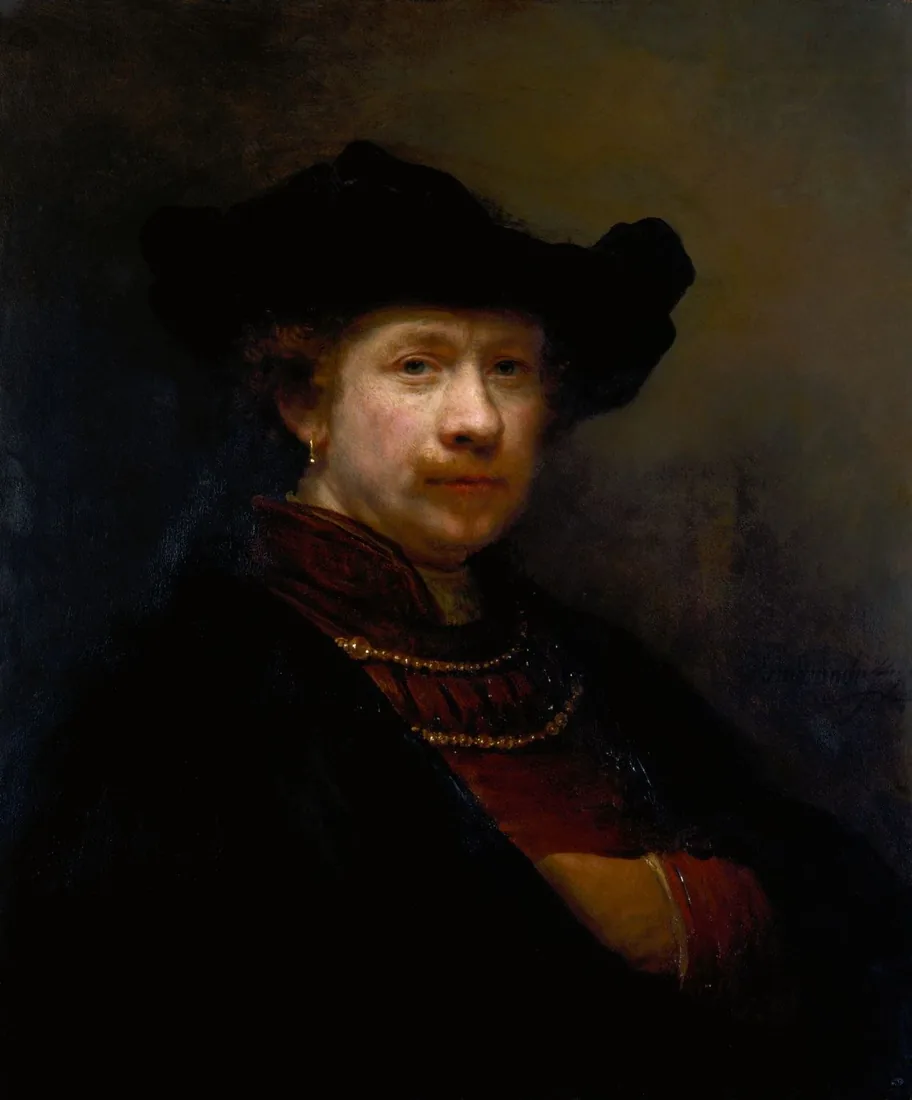
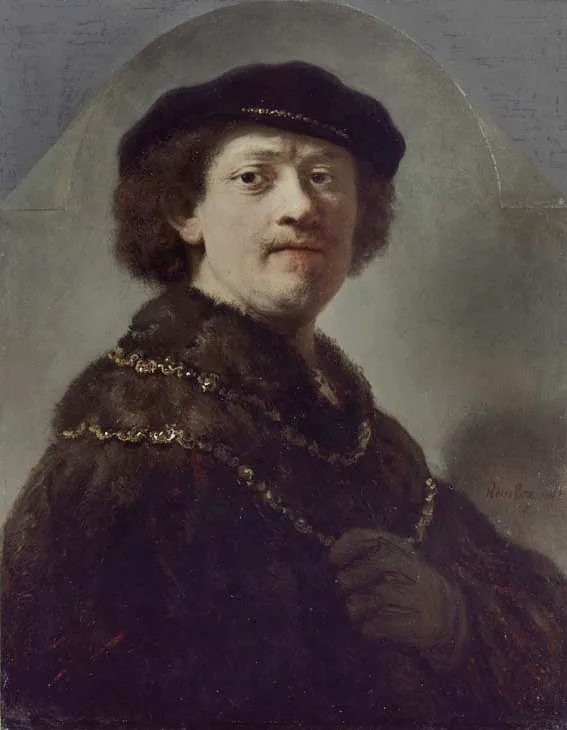
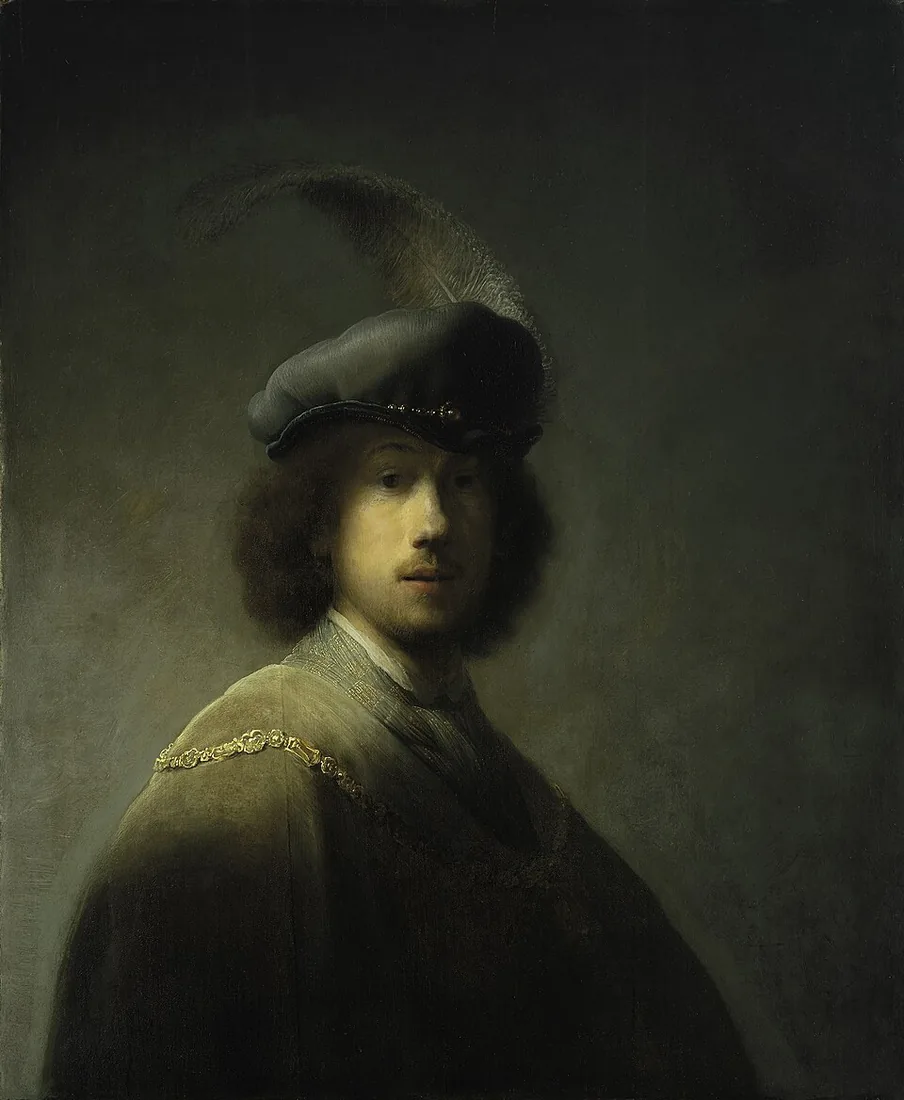
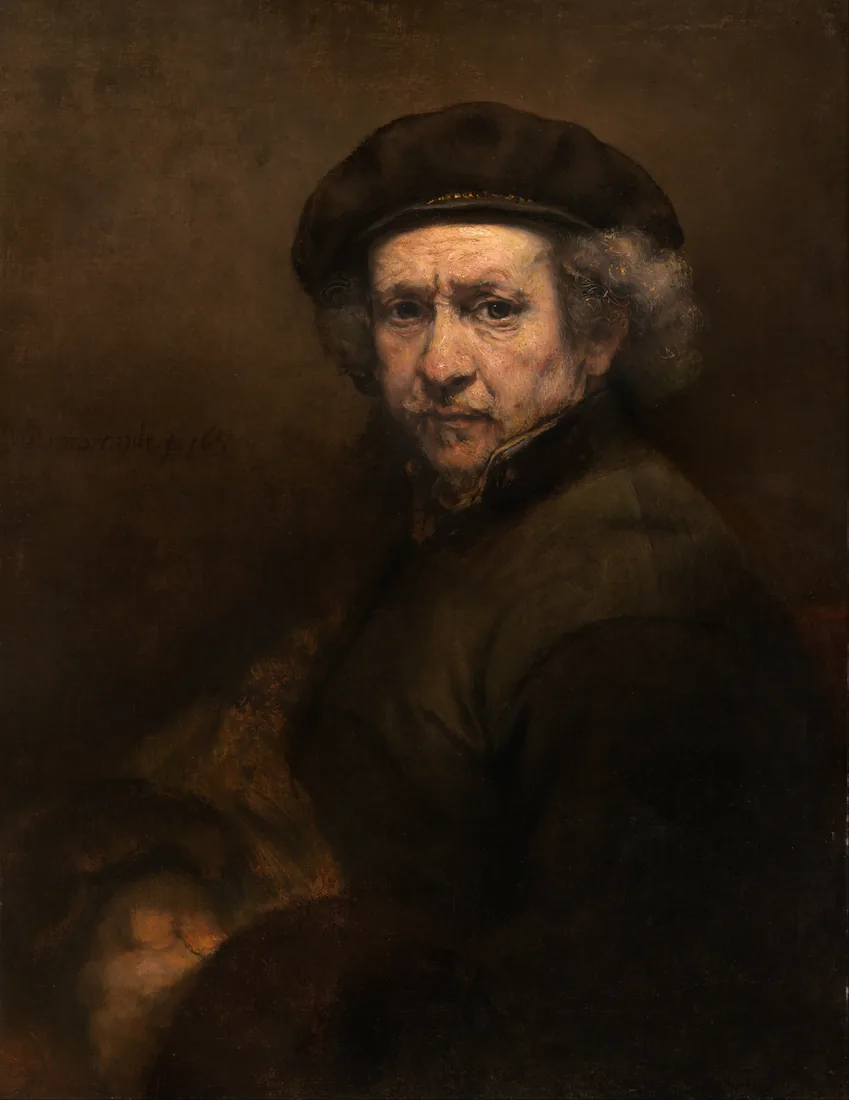
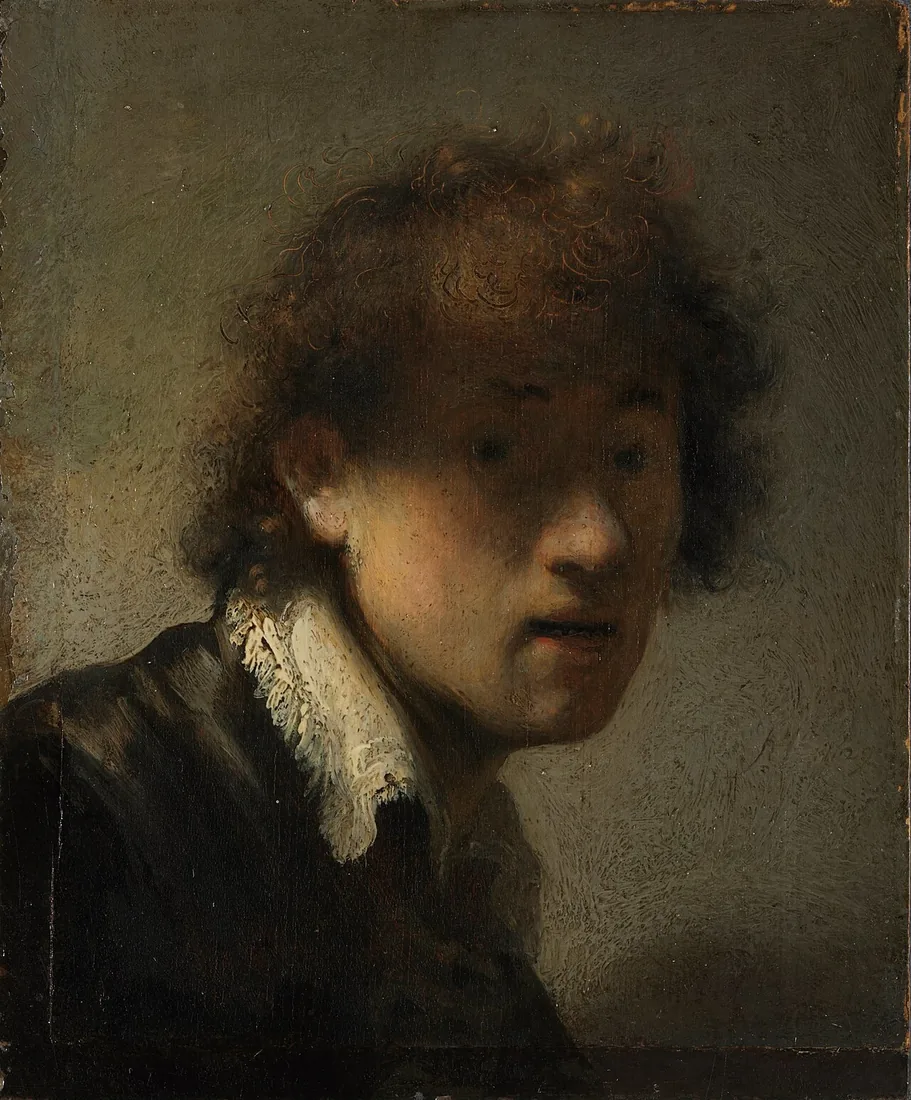
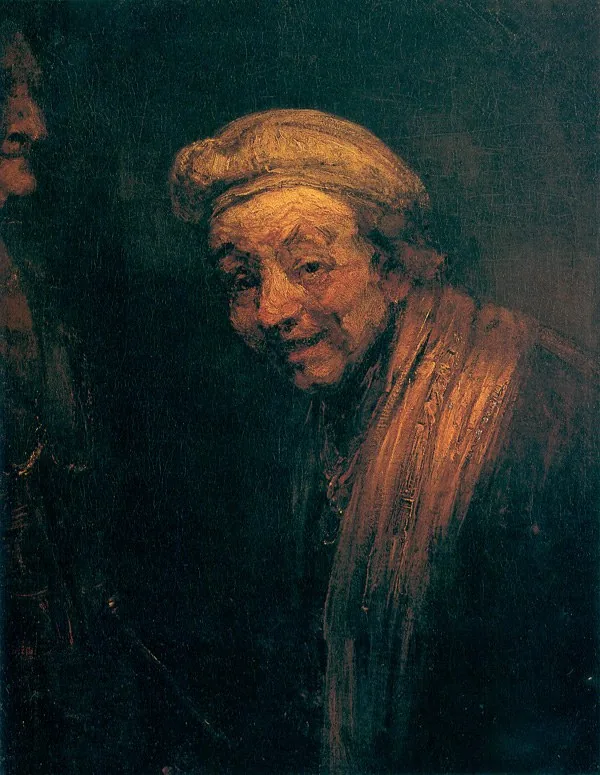
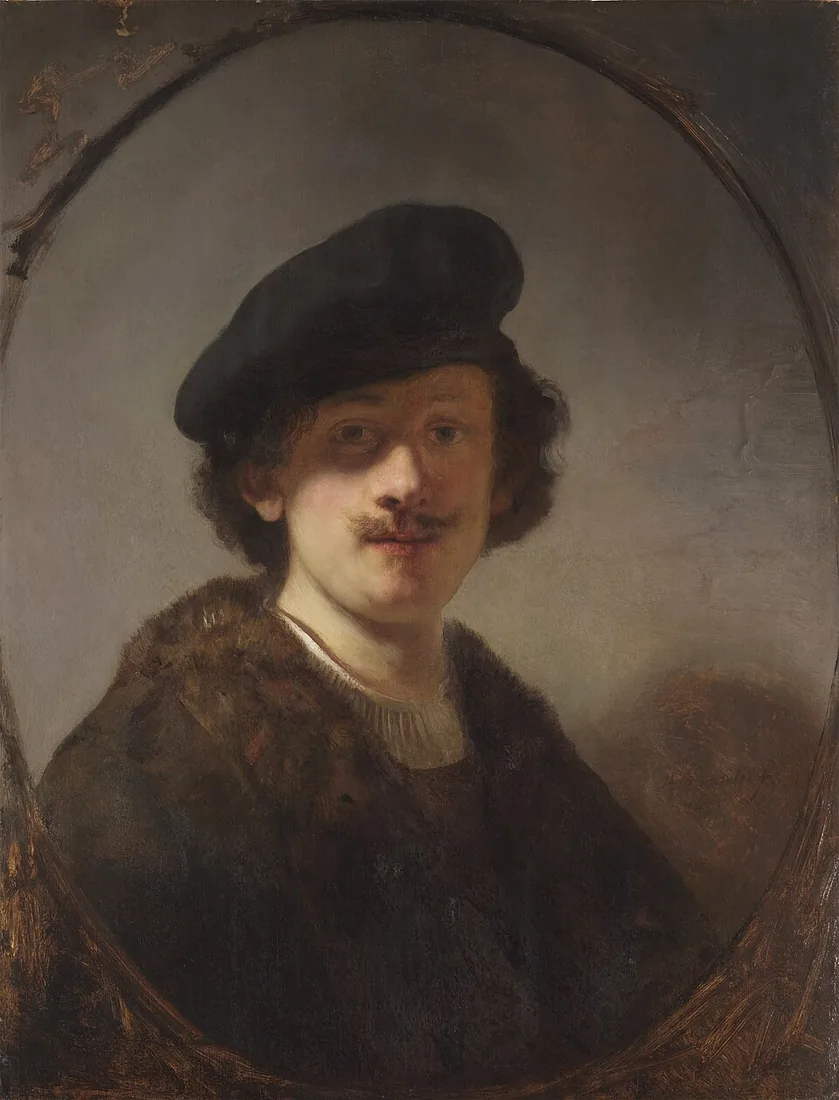
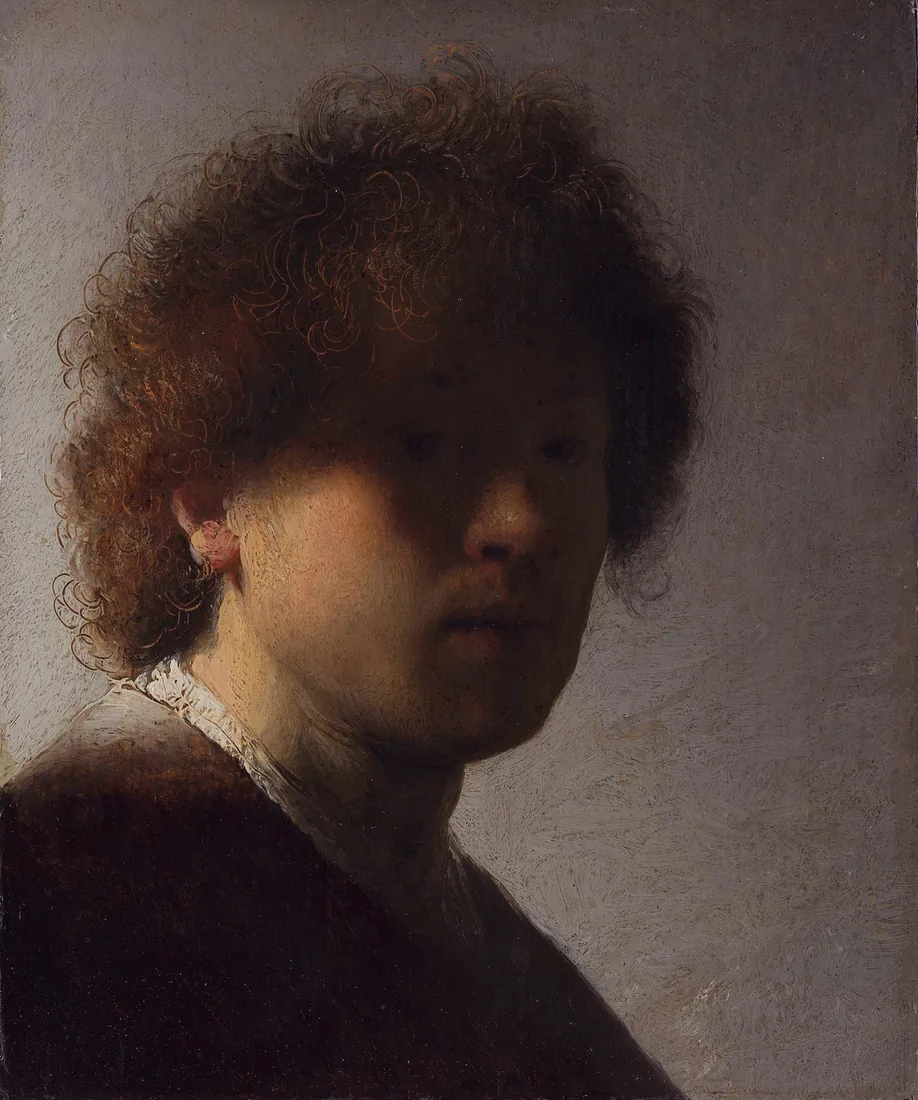
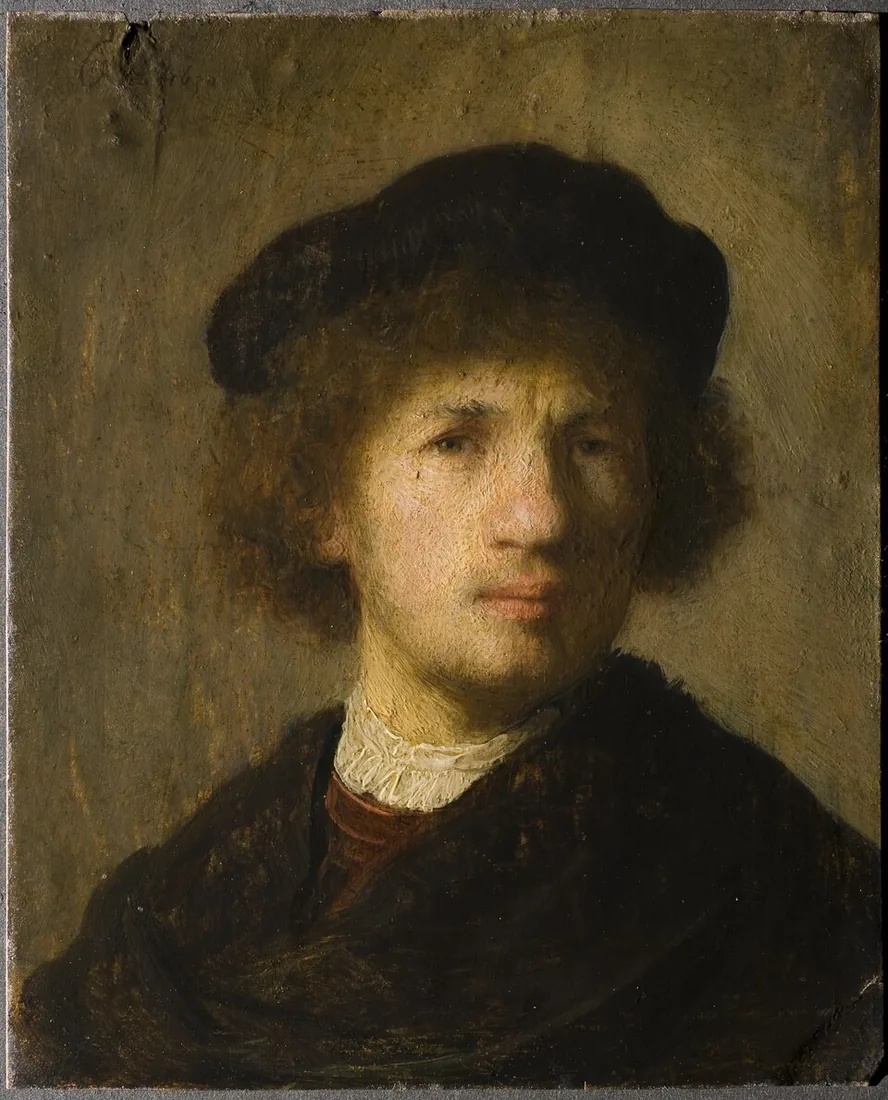
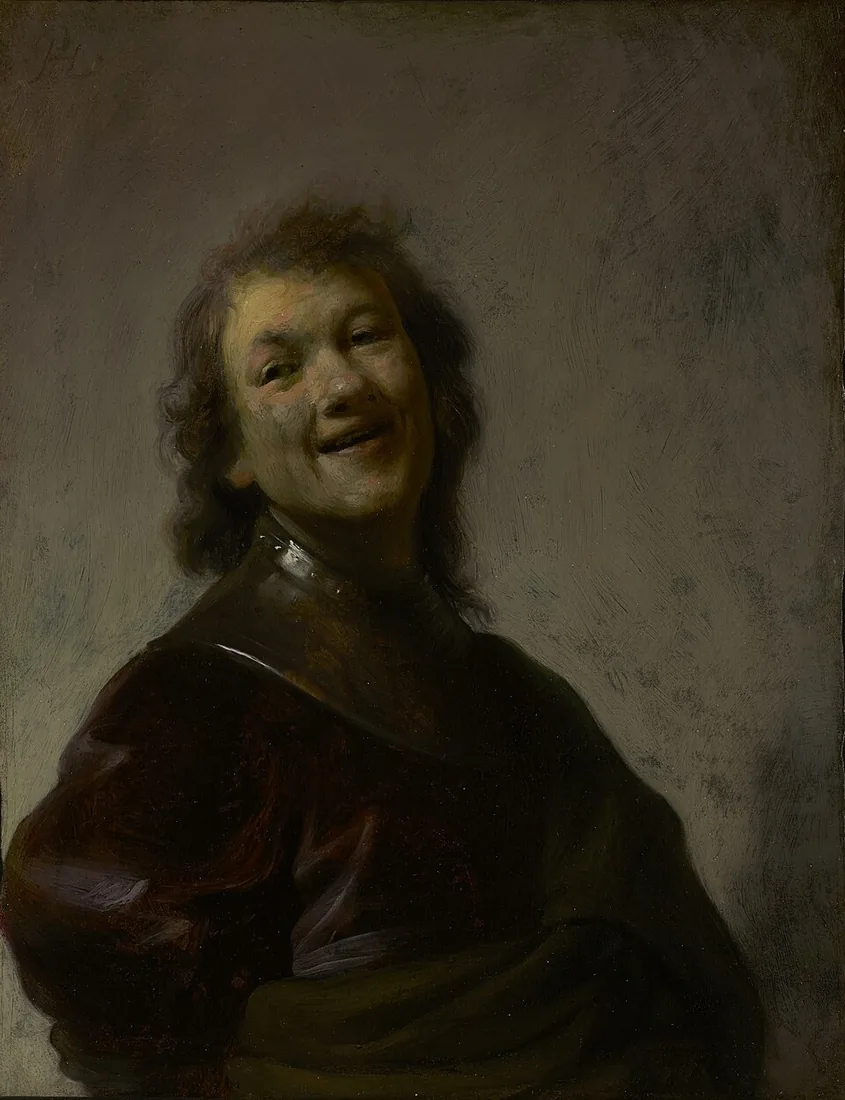
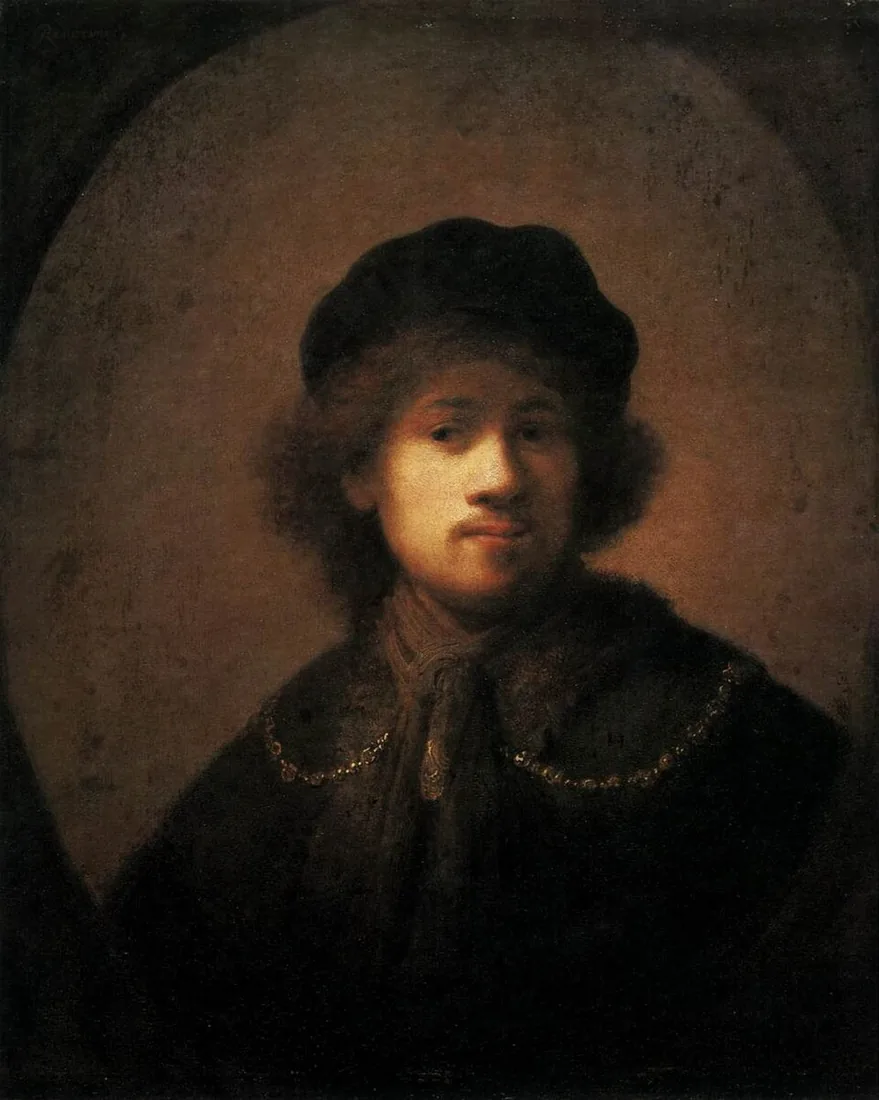
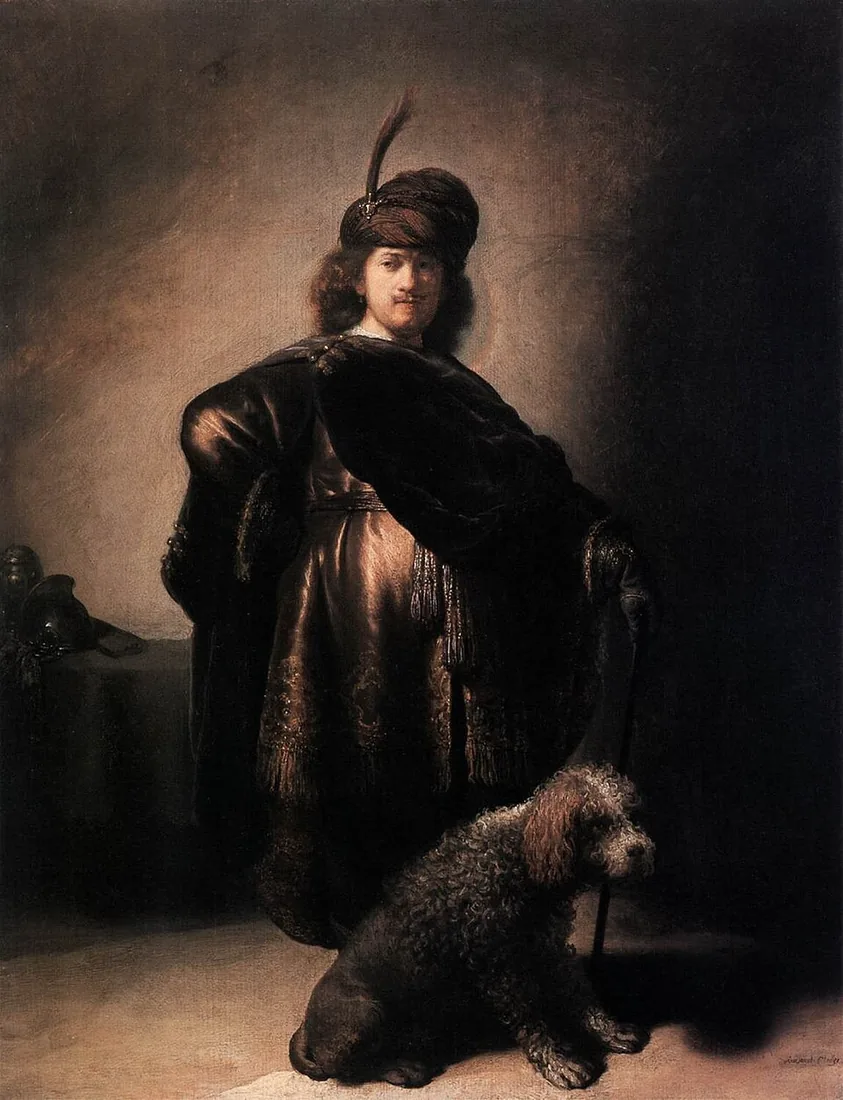
A face across time.
The subject survives through role, age, costume and revision.
The paintings do not describe one frozen likeness. They describe a repeated act of self-construction. The question becomes: which visual signals remain stable when the portraits are placed against each other?
The archive is made comparable.
For each portrait, we make a normalized version. The other self-portraits correct him.
Face crops are brought into a shared frame so that recurring structure can be compared. The aligned faces are still paintings, but now they can answer one another.
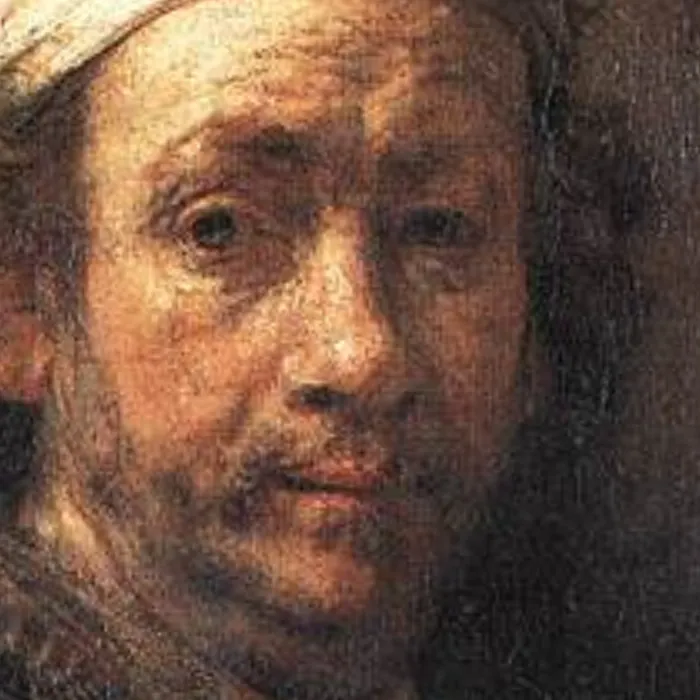
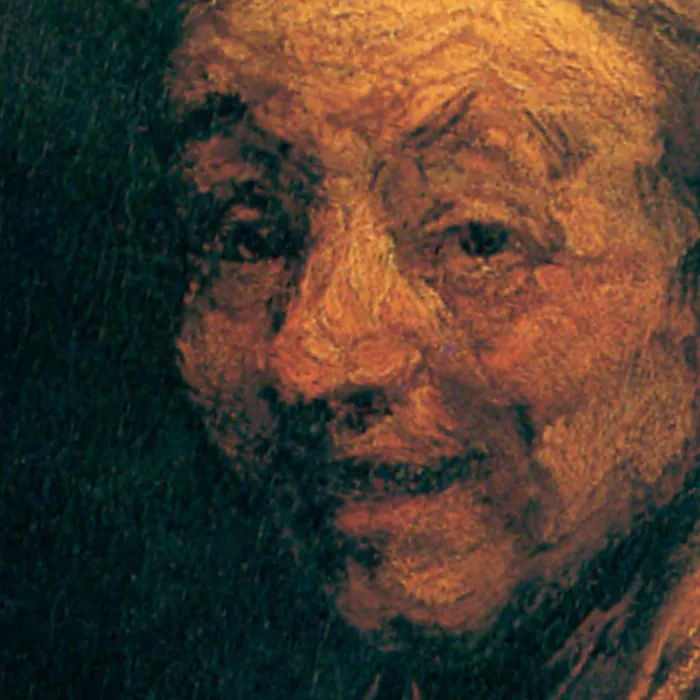
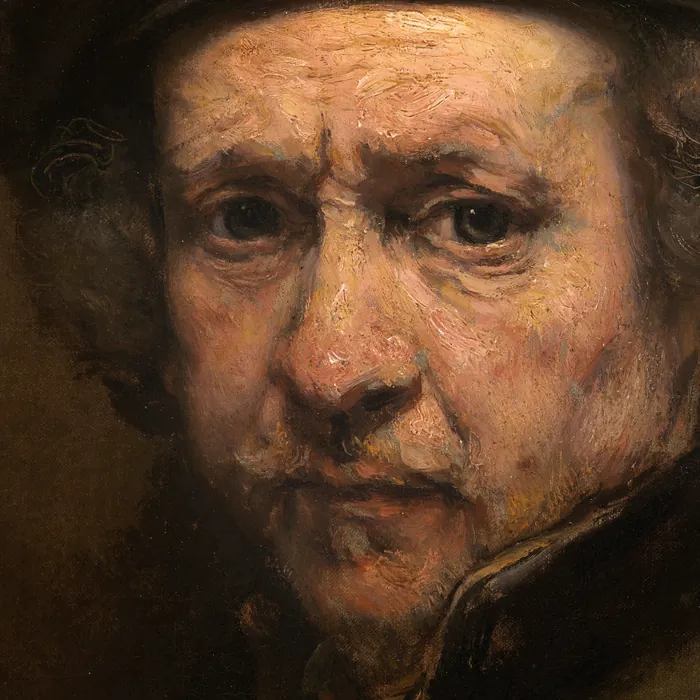
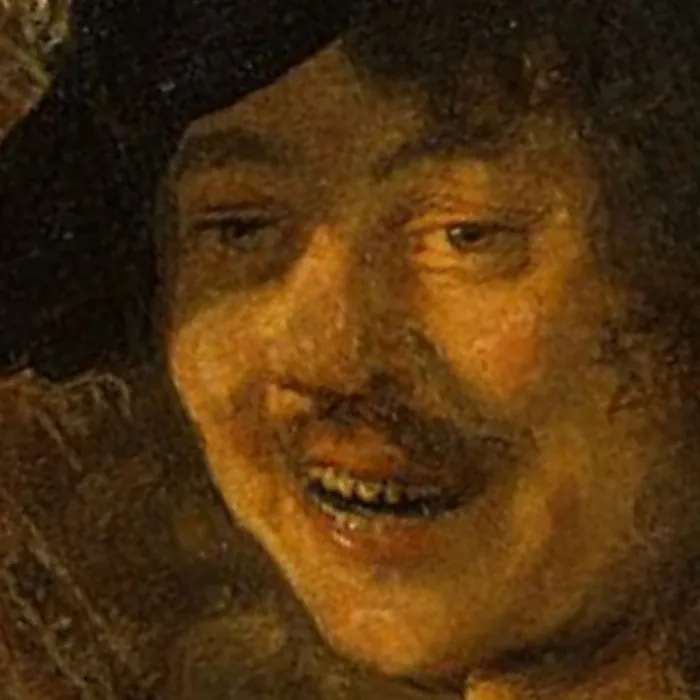
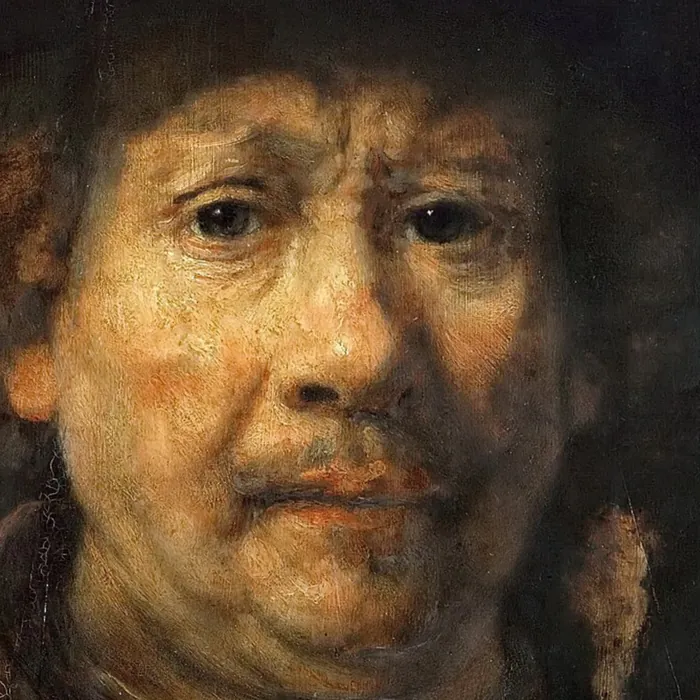
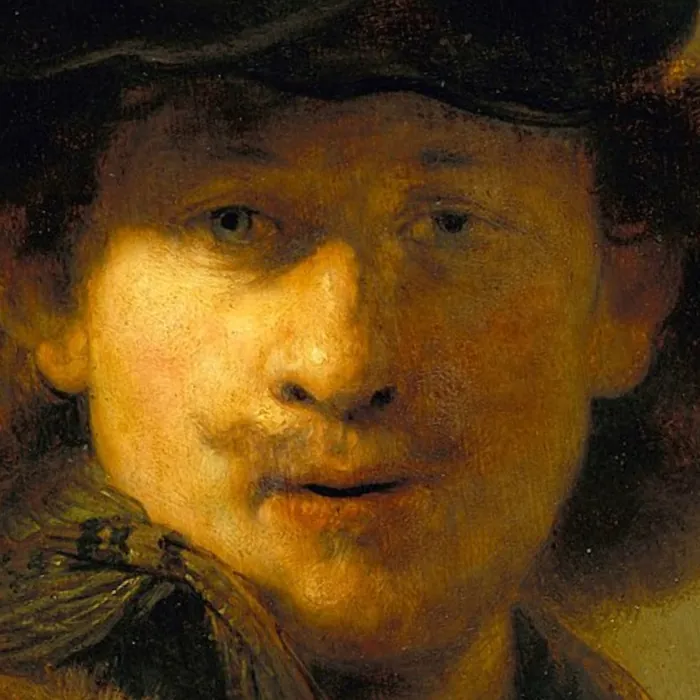
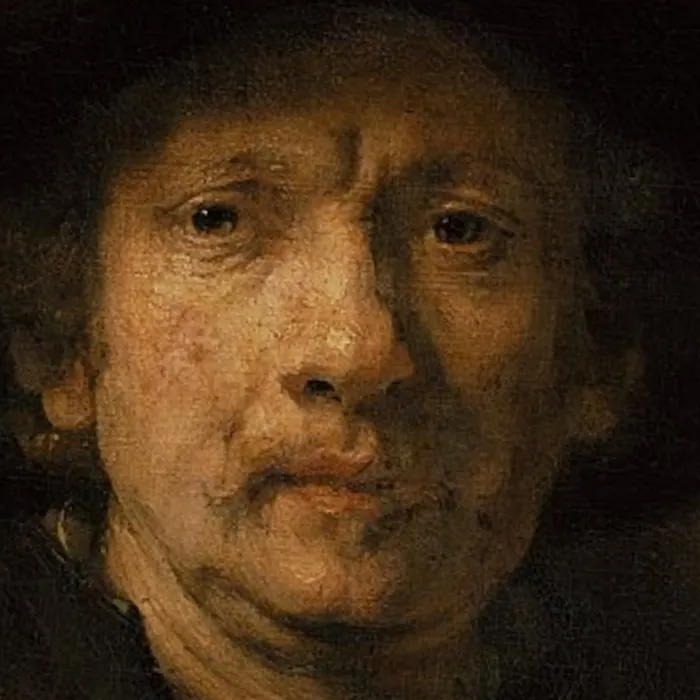
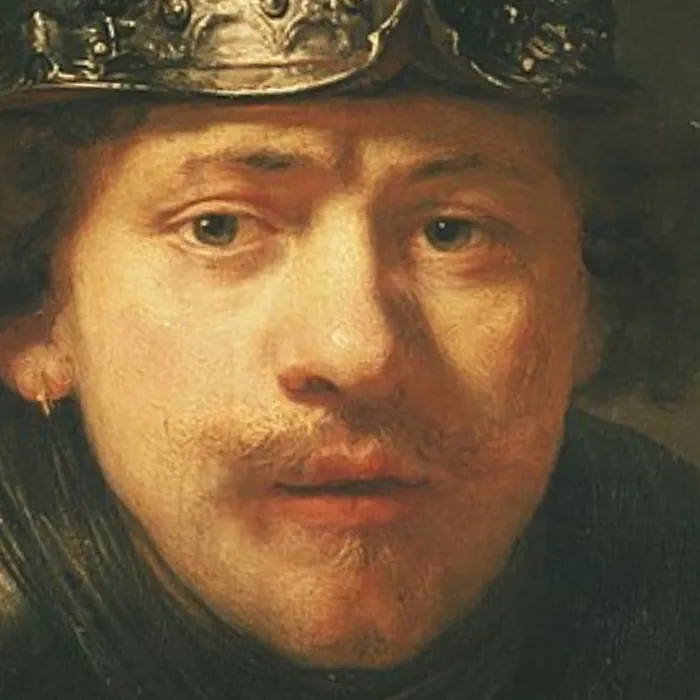
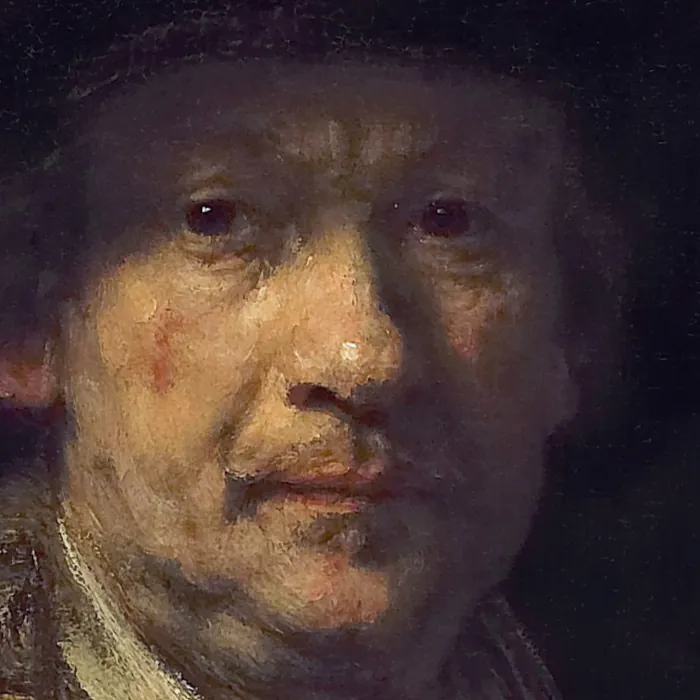
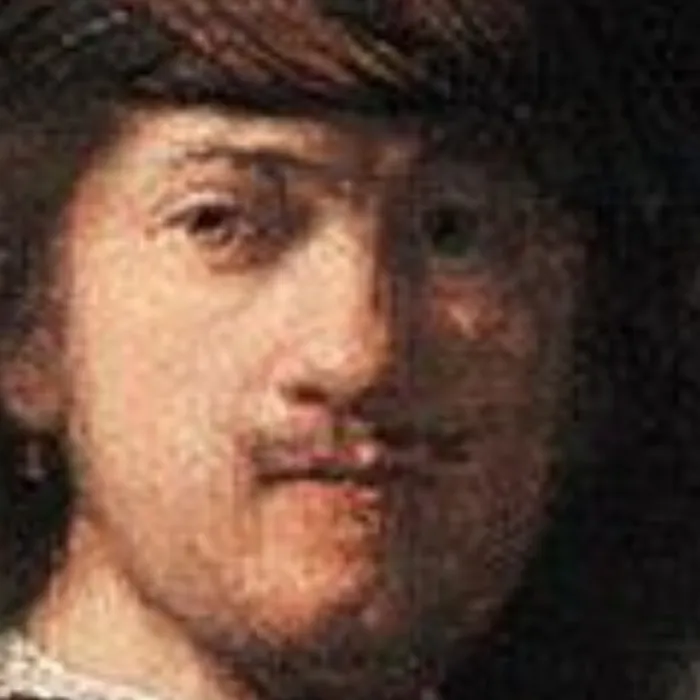
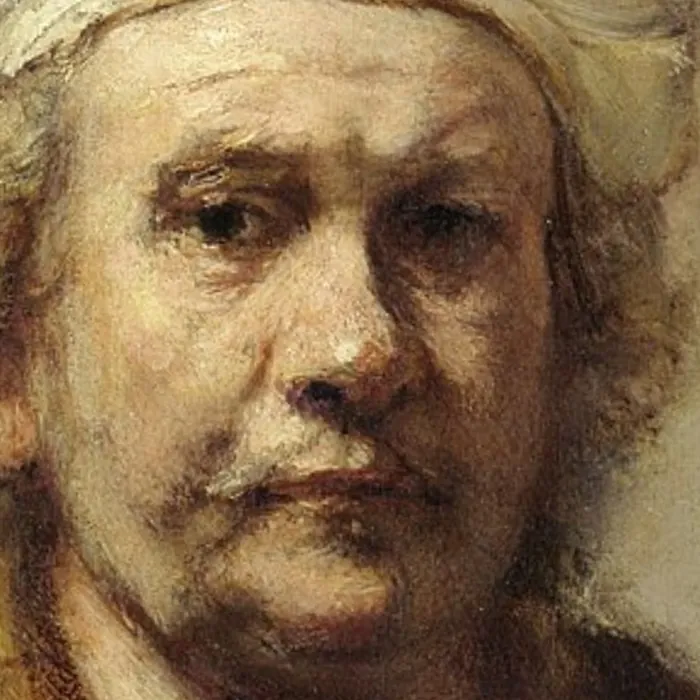
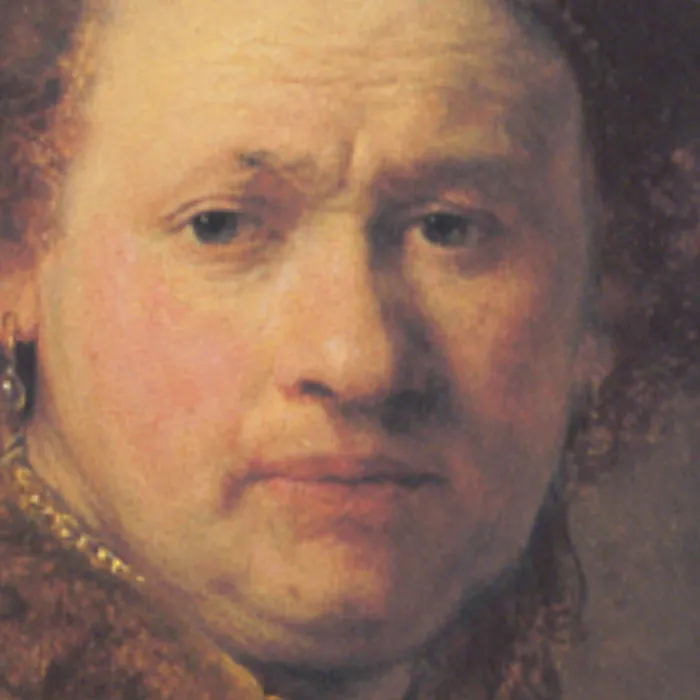
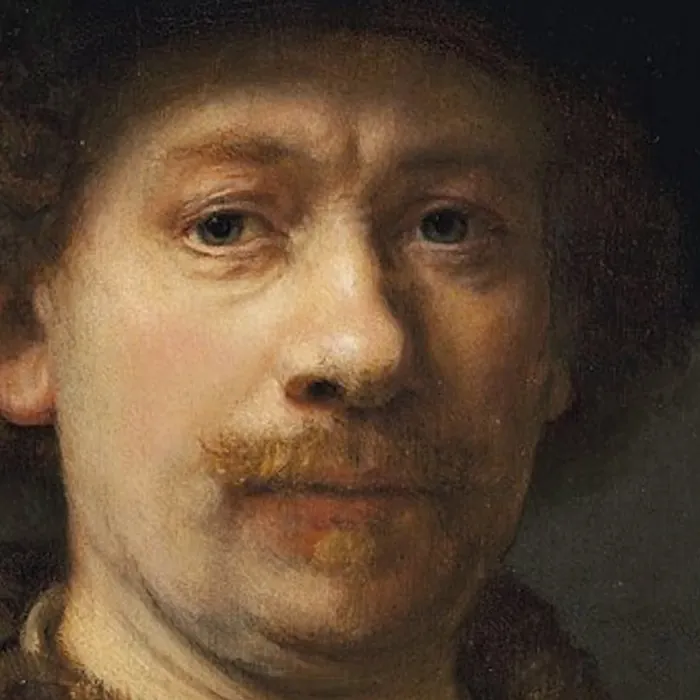
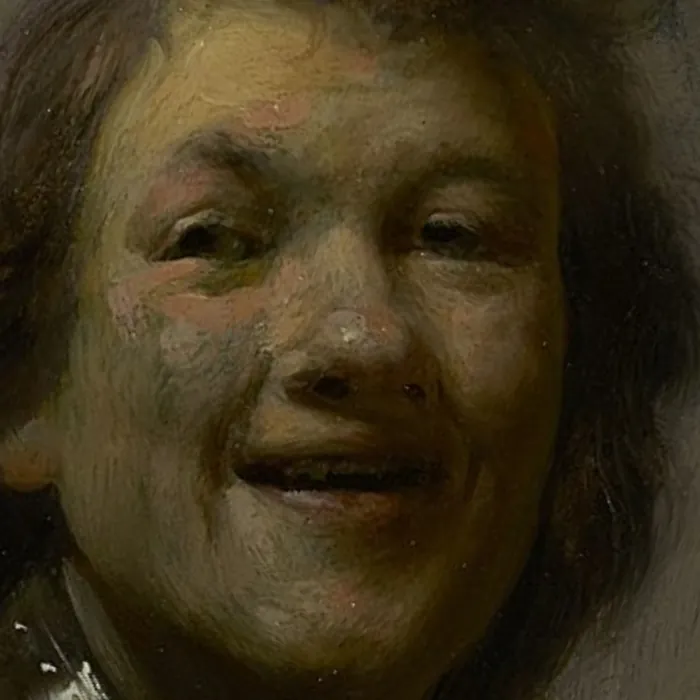
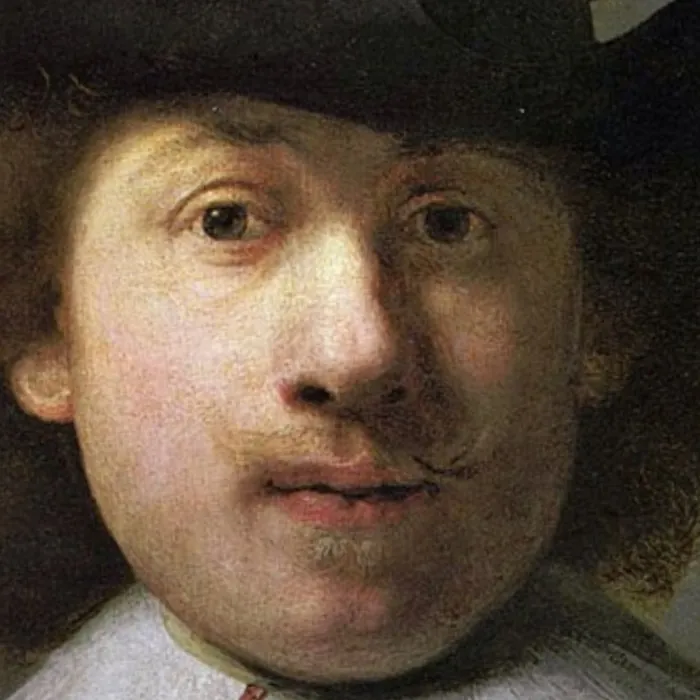
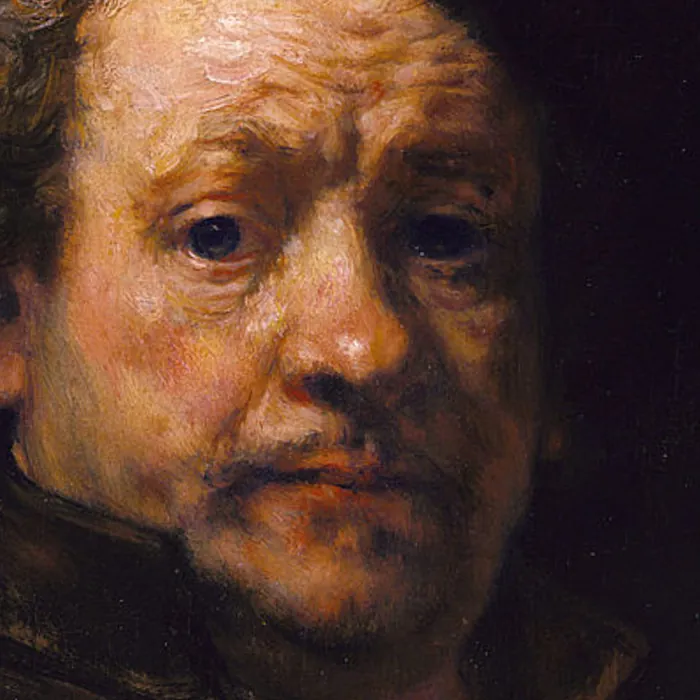
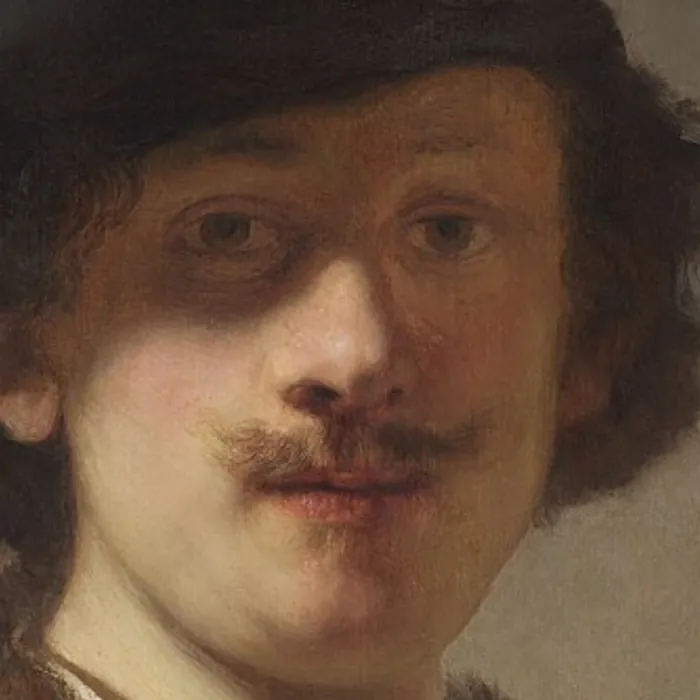
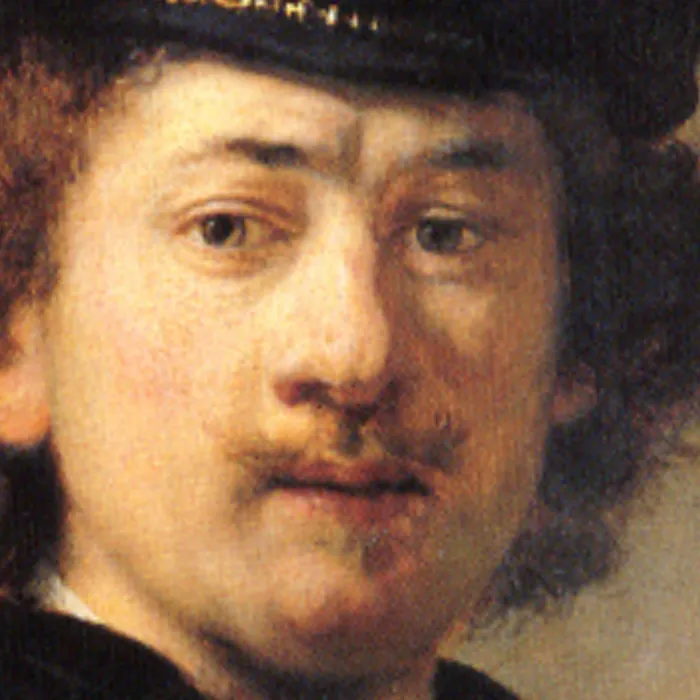
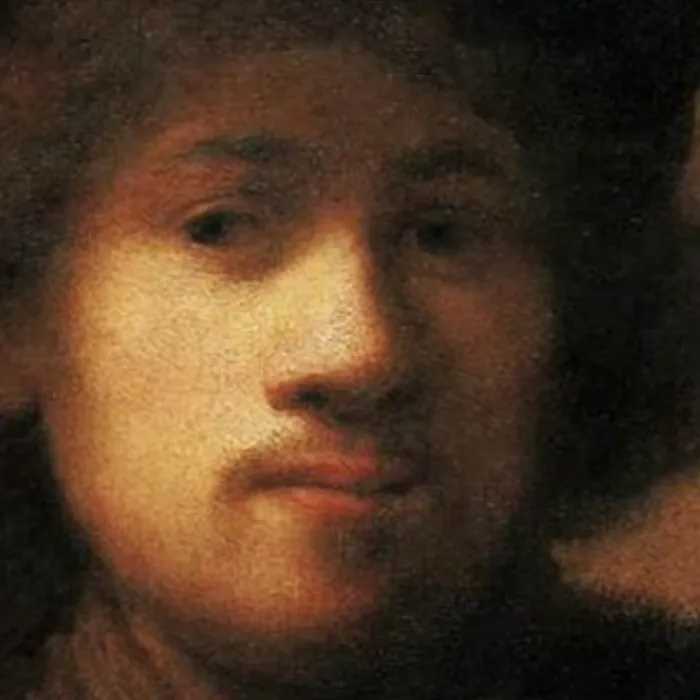
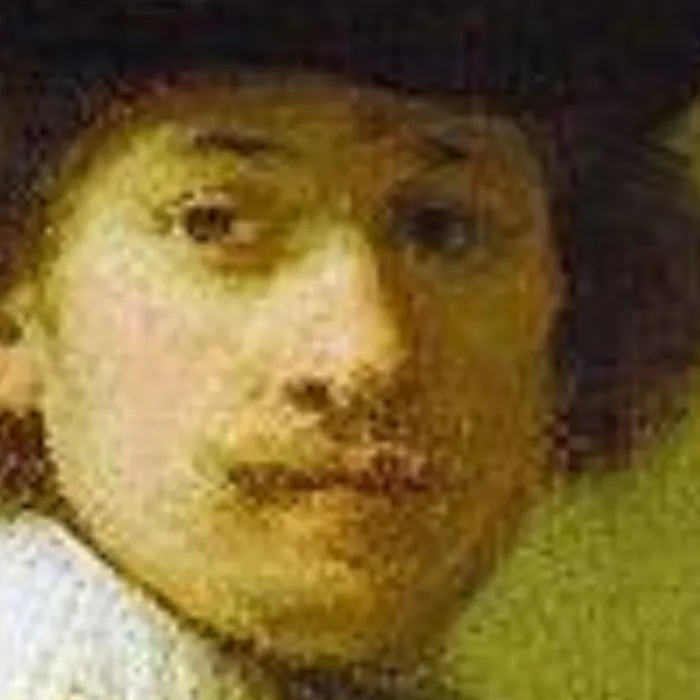
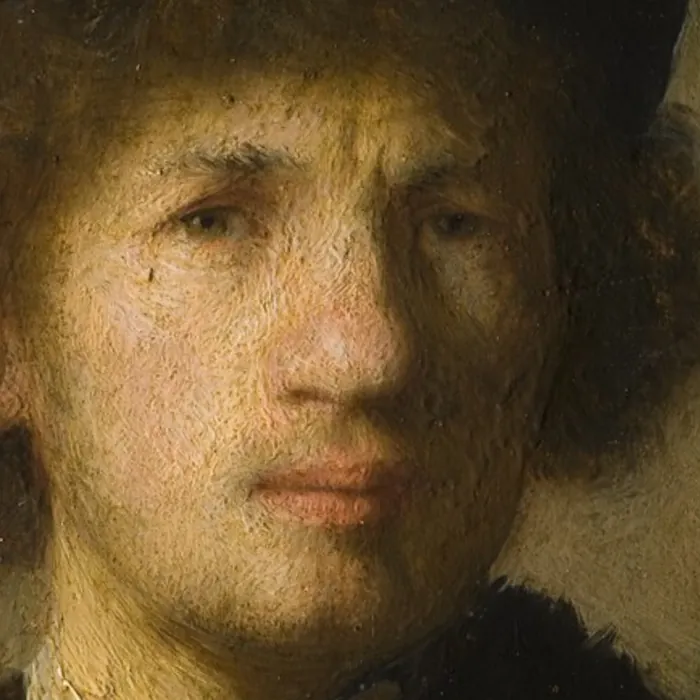
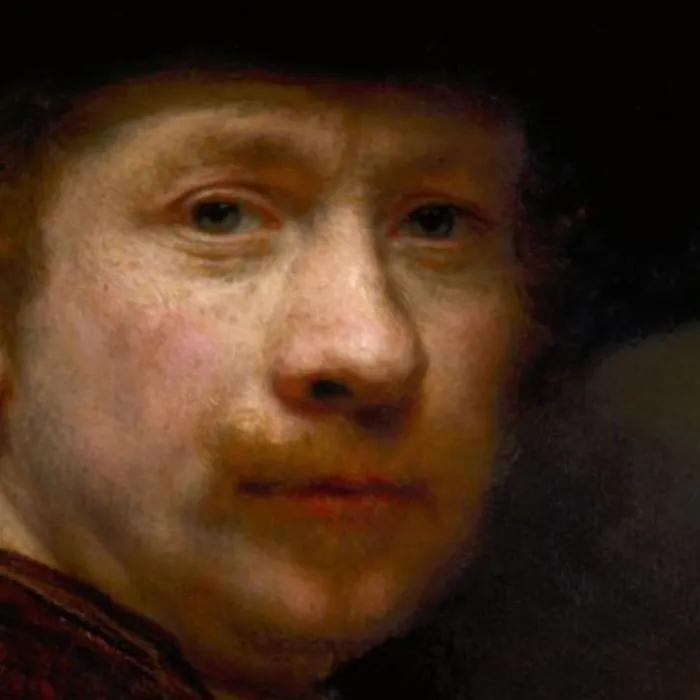
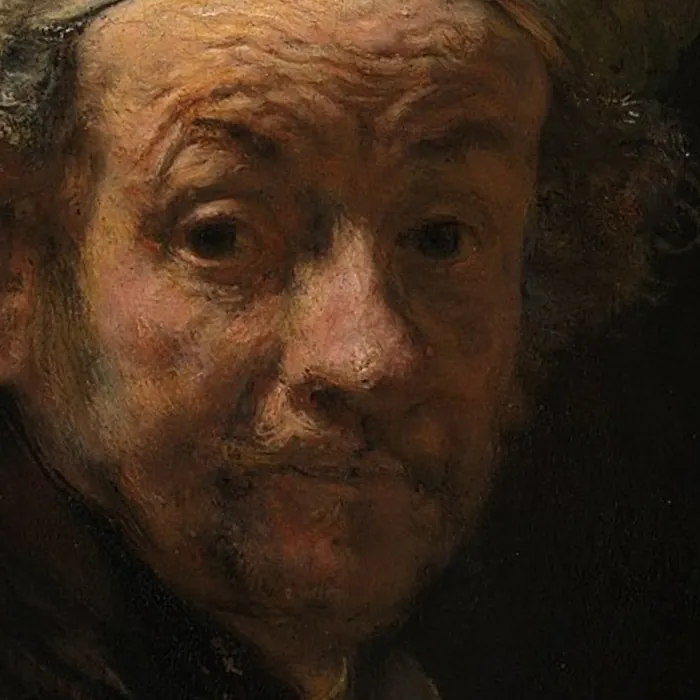
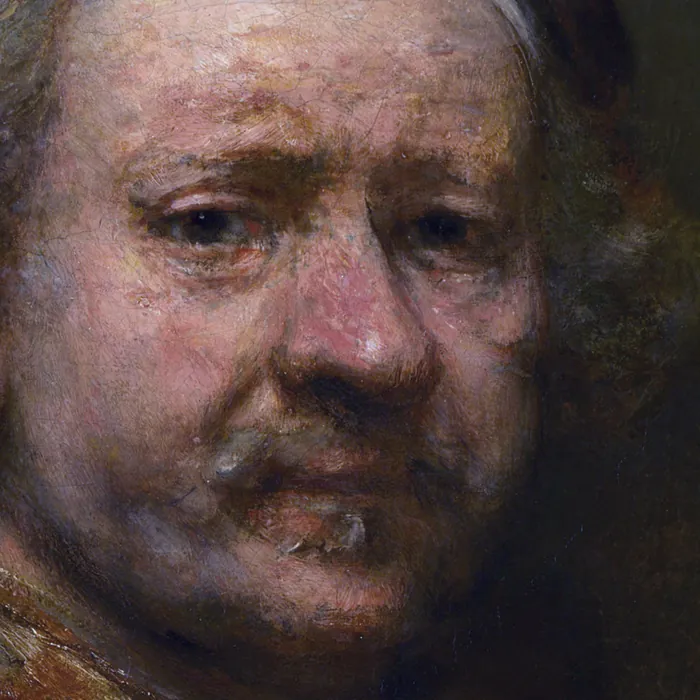
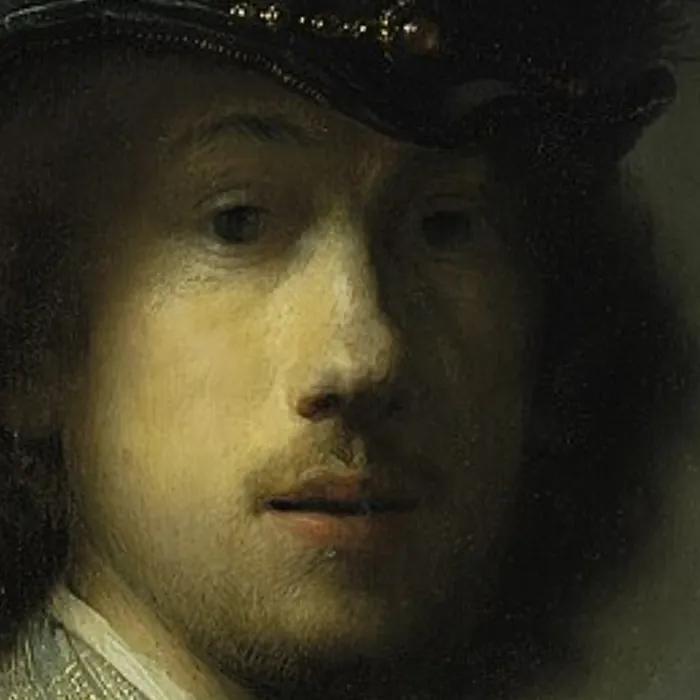
The face begins to appear.
Mean and median show where repeated self-portraiture converges.
The result is strongest when it keeps the pressure of the source material: a face formed by agreement, still carrying the instability of paint, pose and time.
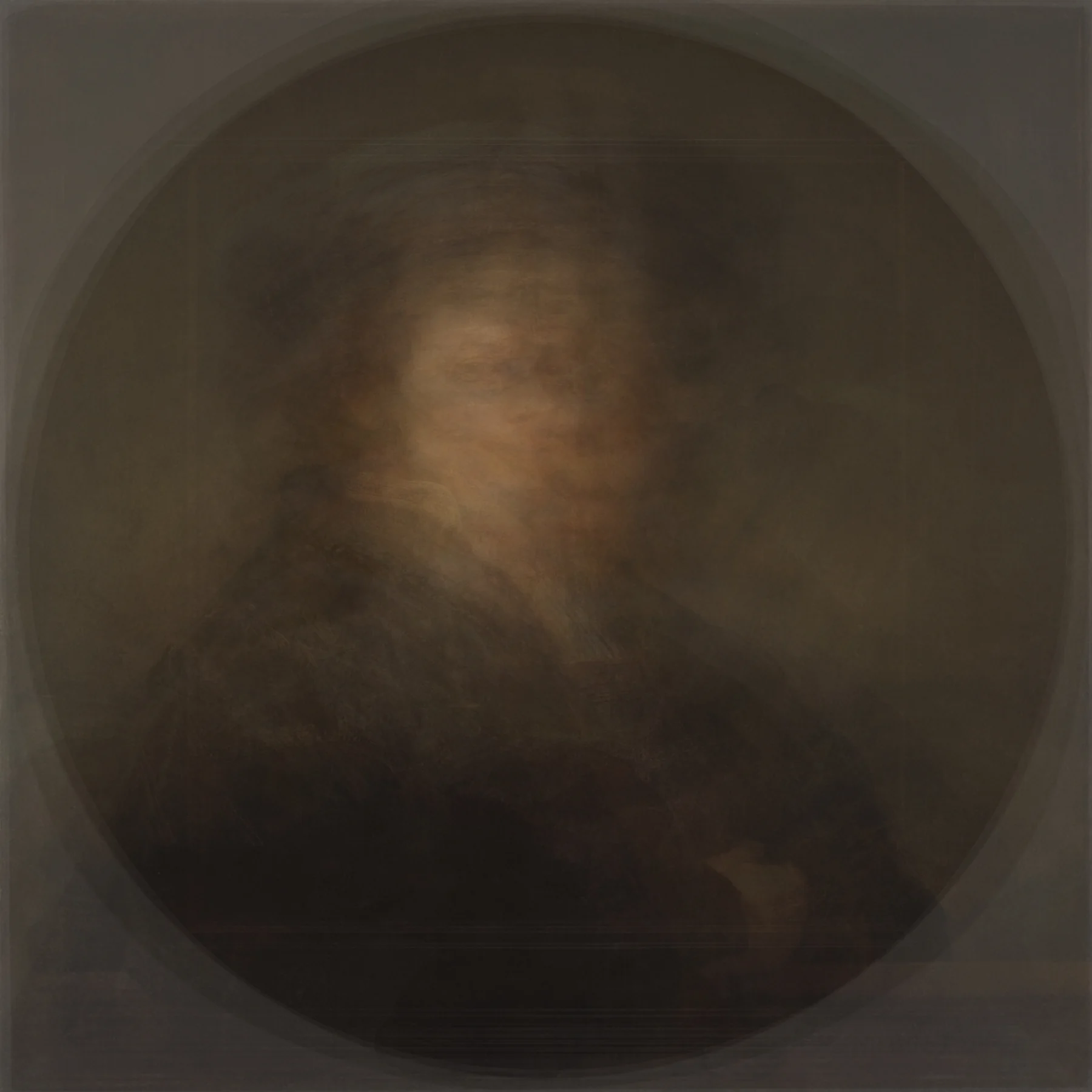
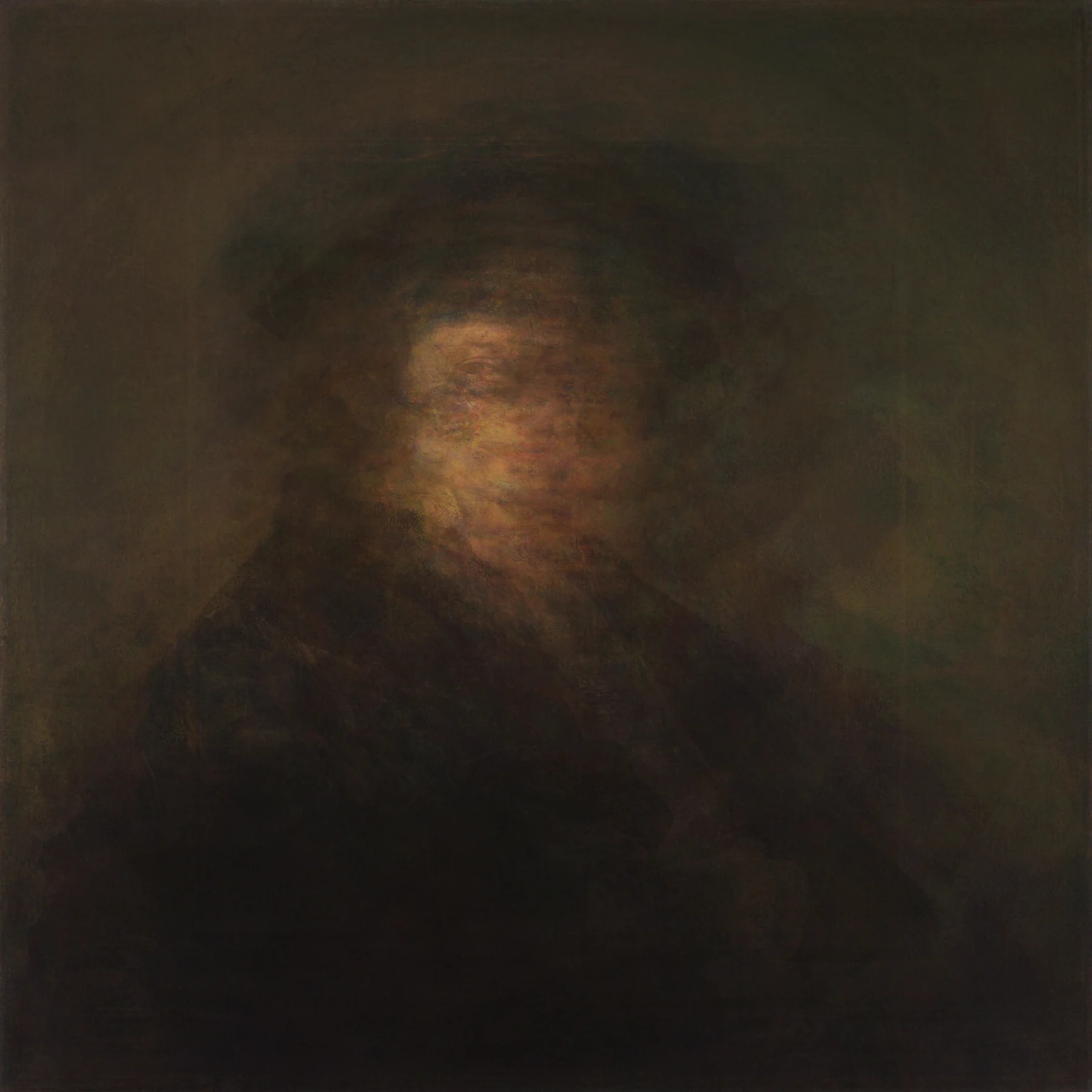
Every self-portrait becomes a witness for the others.
The work turns Rembrandt’s self-portraits into a corrective archive. A single image carries pose, age and painterly accident. The group reveals what keeps returning.
The corpus.
Open the source material directly. Each image remains visible as a painting before it becomes data.
The archive looks back.
A visual study by Bob de Jong. Thirty self-portraits become a correction system for one another.